As you’ll have read previously, the kids and I spent a few days in Carlisle during early August 2026, reaching the Cumbrian city by means of relatively new open-access operator Lumo West Coast. We based ourselves at Premier Inn’s Carlisle Central North hotel, just under two miles from the city centre on Kingstown Road. We also spent a day north of the border in Scotland. We used to spend such trips ticking off football grounds but, more recently, the children have preferred to visit the local trampoline park. While notably more expensive than walking the circumference of the local pitch and stands, it undoubtedly yields greater health benefits.
A few transport-related observations from our time away.
1. The disappearance of seat reservations
I’ve noticed that, perhaps since the Covid restrictions, seat reservation displays aboard LNER’s Mk 4 coaches no longer seem to function. The indicators are either blank or display reservations for entirely different services. With the Class 91s and Mk 4 coaching stock approaching the end of their careers ahead of replacement by Stadler bi-mode trains, it rather feels as though LNER has simply given up on maintaining the reservation system on this fleet.
What makes this more surprising is that nobody appears remotely bothered. The problem is now so commonplace that Train Managers no longer make any announcement explaining the situation. Yet the vast majority of LNER passengers travel on Advance tickets and therefore possess allocated seats. If upwards of 80 per cent of tickets carry reservations, it surely follows that 80 per cent of passengers expect to find their seat vacant and that only 20% of those on board will have to find unreserved seats.
The solution needn’t be complicated. If the electronic reservation system is beyond economic repair given the fleet’s impending withdrawal, then prominently displayed notices should make it absolutely clear that passengers must occupy only the seats shown on their tickets. That isn’t a request, nor should it be a polite suggestion. It’s a condition of the reservation.
We hear an awful lot nowadays about “safety and comfort” aboard trains, although quite how either is enhanced by closing the doors up to a minute before departure remains something of a mystery to me. Here, though, is an opportunity to improve passenger comfort in a genuinely meaningful way, particularly for families boarding at intermediate stations carrying young children, pushchairs or heavy luggage.
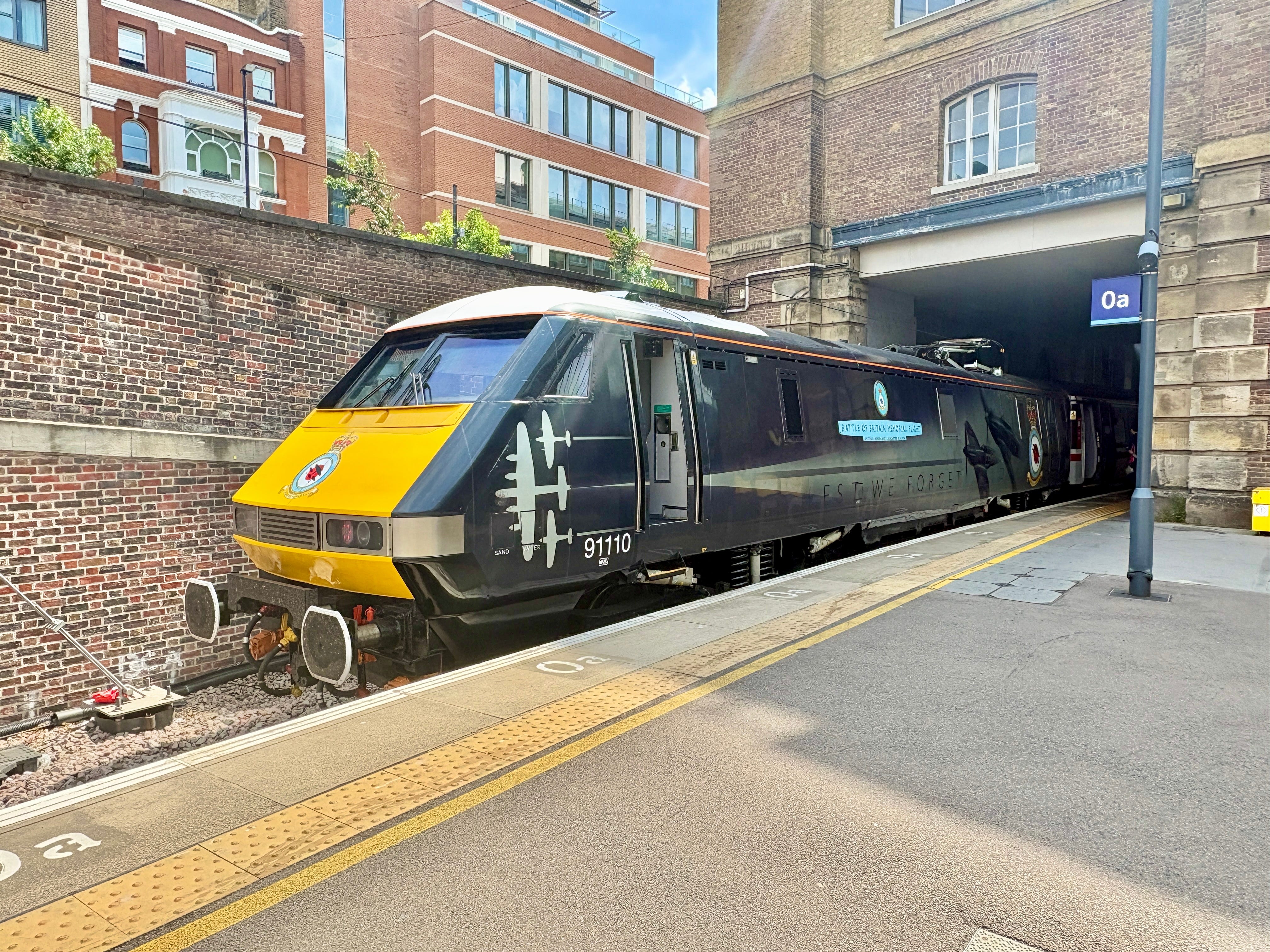
On our journey aboard 91110 Battle of Britain Memorial Flight, which worked the 1143 from Grantham to London King’s Cross on 2 August (seen above), we found other passengers occupying our reserved seats. Most moved without complaint once challenged, although one gentleman seemed remarkably reluctant to surrender accommodation that wasn’t his in the first place. Eventually I observed, as cheerfully as I could, that if he preferred to remain where he was I’d simply have to spend the next hour sitting on his knee in order to remain with my children. Faced with that prospect, our self-appointed alpha male suddenly discovered an alternative seat elsewhere in the coach.
2. The Unlimited Breakfast That Embarrasses You
We do like a Premier Inn. Since July 2020, the kids and I have stayed at precisely thirty-three of them, so by now we know the drill. The rooms are broadly predictable, the beds are comfortable and, perhaps most importantly, the children receive an Unlimited Cooked or Continental Breakfast free of charge.
Carlisle Central North, however, is rather different. I suspect it wasn’t built as a Premier Inn at all but acquired later and converted. Like many such hotels, it shares its premises with an adjoining pub. Sometimes these remain under Whitbread ownership while trading under another name. Increasingly, they’re independently operated. In this case, breakfast was served in The Gosling Bridge, part of the Greene King chain.
Unlike the previous thirty-two Premier Inns we’d visited, breakfast here wasn’t self-service. Instead, somebody took your order. We didn’t ask for additional plates, so I can’t comment on how readily the advertised unlimited element would have worked, but it struck me as an interesting piece of consumer psychology. If customers have to request more food rather than simply helping themselves, many won’t bother. Whether intentional or otherwise, it must reduce both consumption and costs. This isn’t reflected in the £10.99 headline price, though.
Service was quick and most of the continental selection was exactly what we’ve come to expect. There was, however, one glaring omission. No coffee machine.
These are what people rather dismissively call “First World Problems” and they’re quite right. Nevertheless, when you’re paying £10.99 for breakfast, I don’t think expecting a latte or a flat white is especially unreasonable. Instead, I found myself stood beside a boiler with a handful of Nescafé sachets. It felt like checking into a hotel in 1992.
Our room, too, was missing something we’ve simply come to regard as standard. There was no air conditioning. Again, this is hardly a criticism of Premier Inn because the website makes no claim that Carlisle Central North is air conditioned. That’s entirely on me for assuming consistency across the chain. But it was another reminder that this particular hotel differs from the norm. Every one of the other thirty-two Premier Inns we’ve stayed in since 2020 has had air-conditioned rooms, admittedly with varying degrees of efficiency. Fortunately, Cumbria escaped the worst of the three-month heatwave. Had temperatures matched those further south, sleeping overnight would have become distinctly uncomfortable. Once again, it would have been rather like staying in a hotel in 1992.
3. Pleasant Bus Drivers & Train Guards
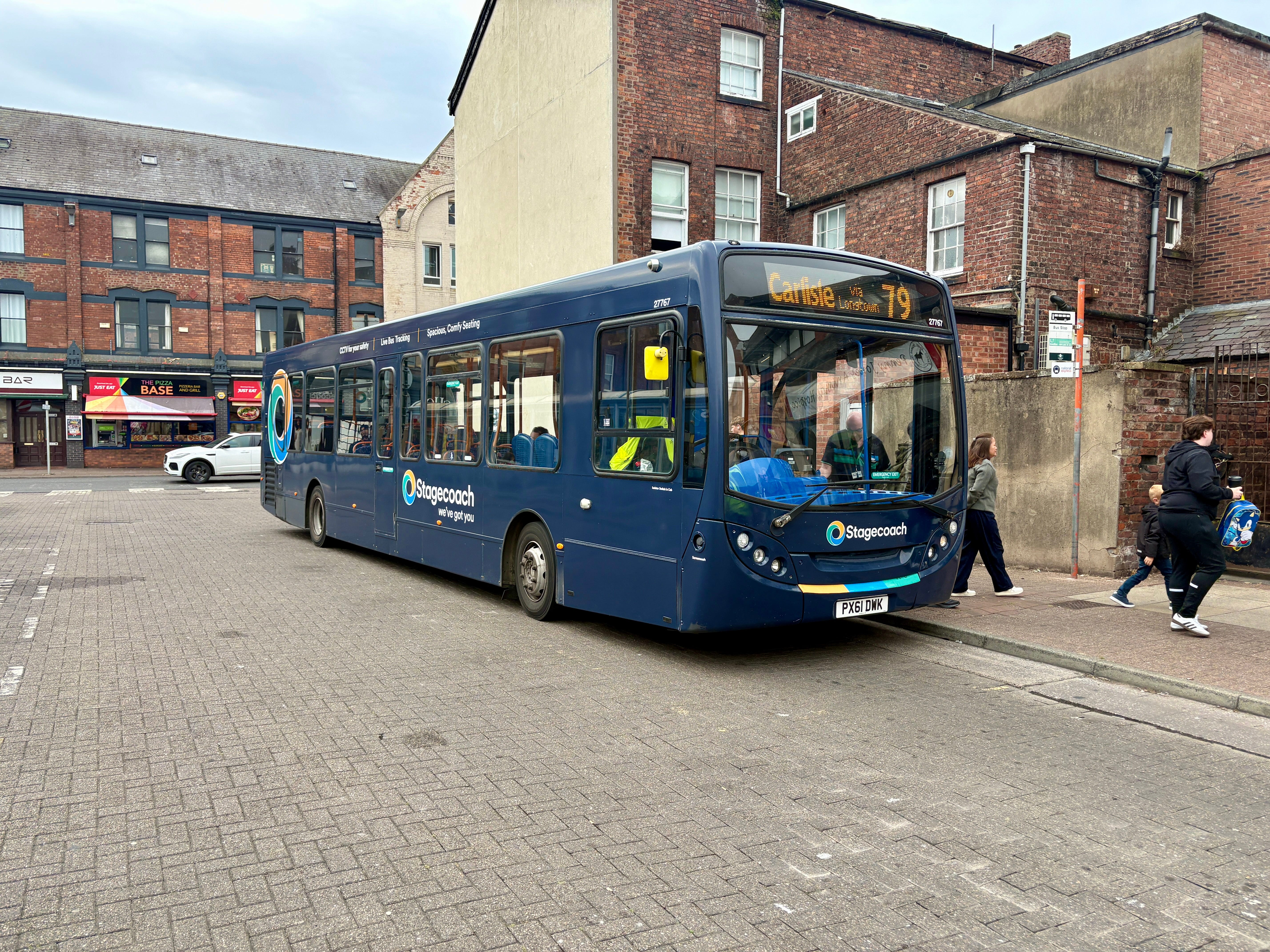
It’s always pleasing to report when customer service is almost universally excellent. While I’ve already mentioned that Lumo’s on-board announcements were so poor as to be laughable, the actual attentiveness of its Ambassadors, checking tickets and serving refreshments, was first class. The same was true of the TransPennine Express Train Manager on our journey to Oxenholme, the Northern conductor to Kendal and the Avanti West Coast Train Manager aboard our northbound Pendolino to Glasgow Central. All were visible, all checked tickets and all communicated well with passengers. Collectively they represented a broad range of ethnicities and both sexes, demonstrating that diversity of background need have no bearing whatsoever on the quality of customer service.
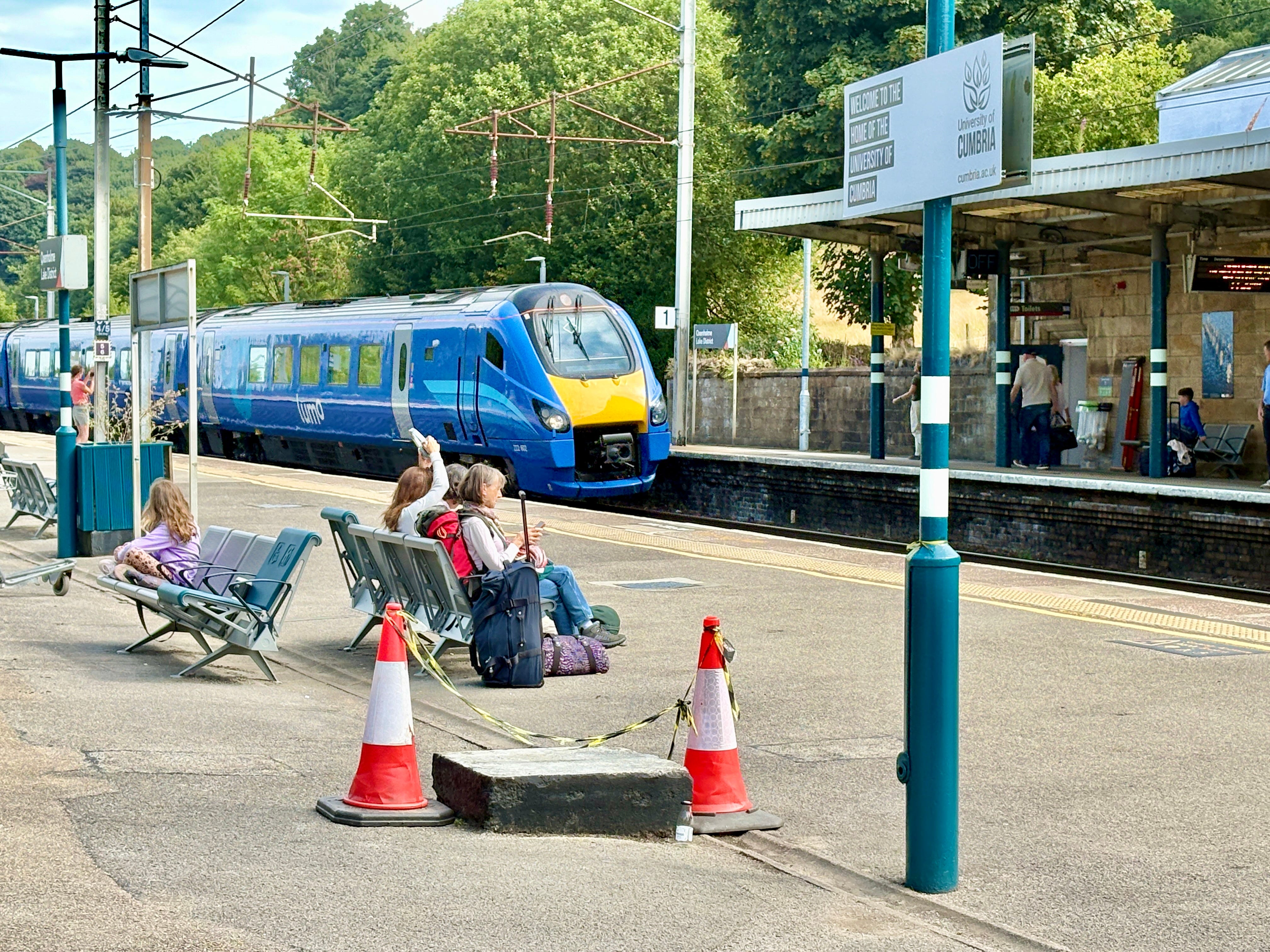
Our bus drivers, too, were excellent. Every Stagecoach driver ensured my children were issued with their zero-fare tickets, allowing the company to claim reimbursement for the revenue foregone, and each immediately understood the tickets I was requesting.
The only minor difficulty arose on First Glasgow’s Service 267 from the city centre. We were travelling to the Flip Out trampoline park off Rutherglen Road and, beforehand, I’d researched the cheapest ticket options. Unlike England, children weren’t travelling free on local buses in Scotland this summer. First offered a City/Local adult day ticket for £6.30, while a child’s day ticket, with no City or Local distinction, cost £3.10. As we intended making at least three journeys, one adult ticket and two child tickets represented the most economical option.
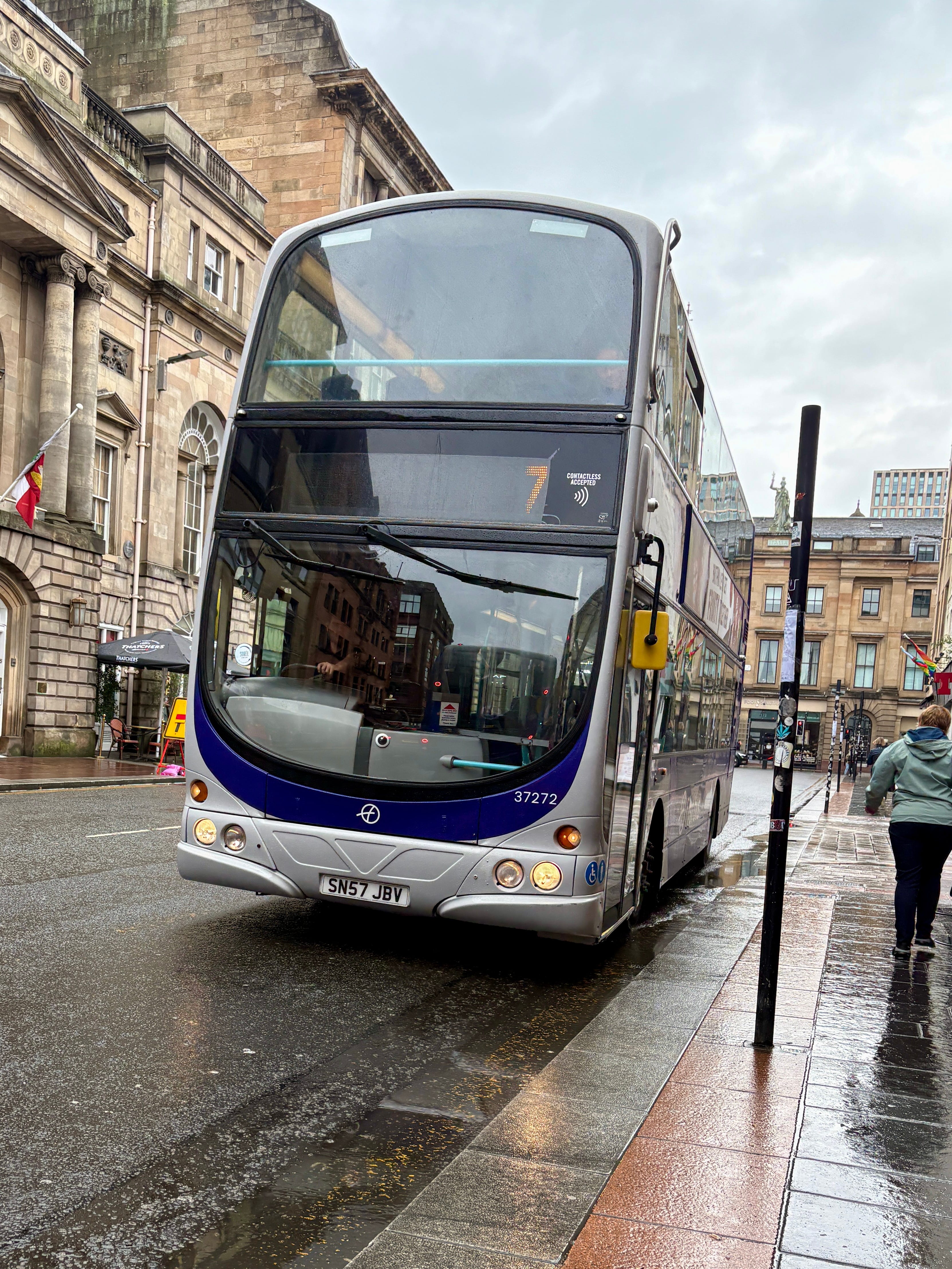
The problem was that, despite boarding in Glasgow city centre and specifically asking for the appropriate ticket, I was issued with a Local day ticket rather than the City version. It wasn’t immediately obvious. The ticket looked perfectly legitimate and, naturally enough, you tend to trust the person who has just sold it to you.
The error only became apparent when we boarded our return bus into the city centre. As the driver scanned my QR code, his ticket machine immediately displayed a red warning. We were now travelling within the City zone, yet I was holding a Local ticket. Realising what had happened, I asked whether I could simply buy an additional ticket to the point where the City zone commenced. The driver, perhaps appreciating the absurdity of the situation given we were already travelling through that very zone, simply waved us aboard. In hindsight, I should probably have noticed the incorrect ticket before taking my seat on the outward journey, but when you’ve asked for a particular ticket and the driver hands you one in return, it’s hardly unreasonable to assume you’ve been sold the correct product.
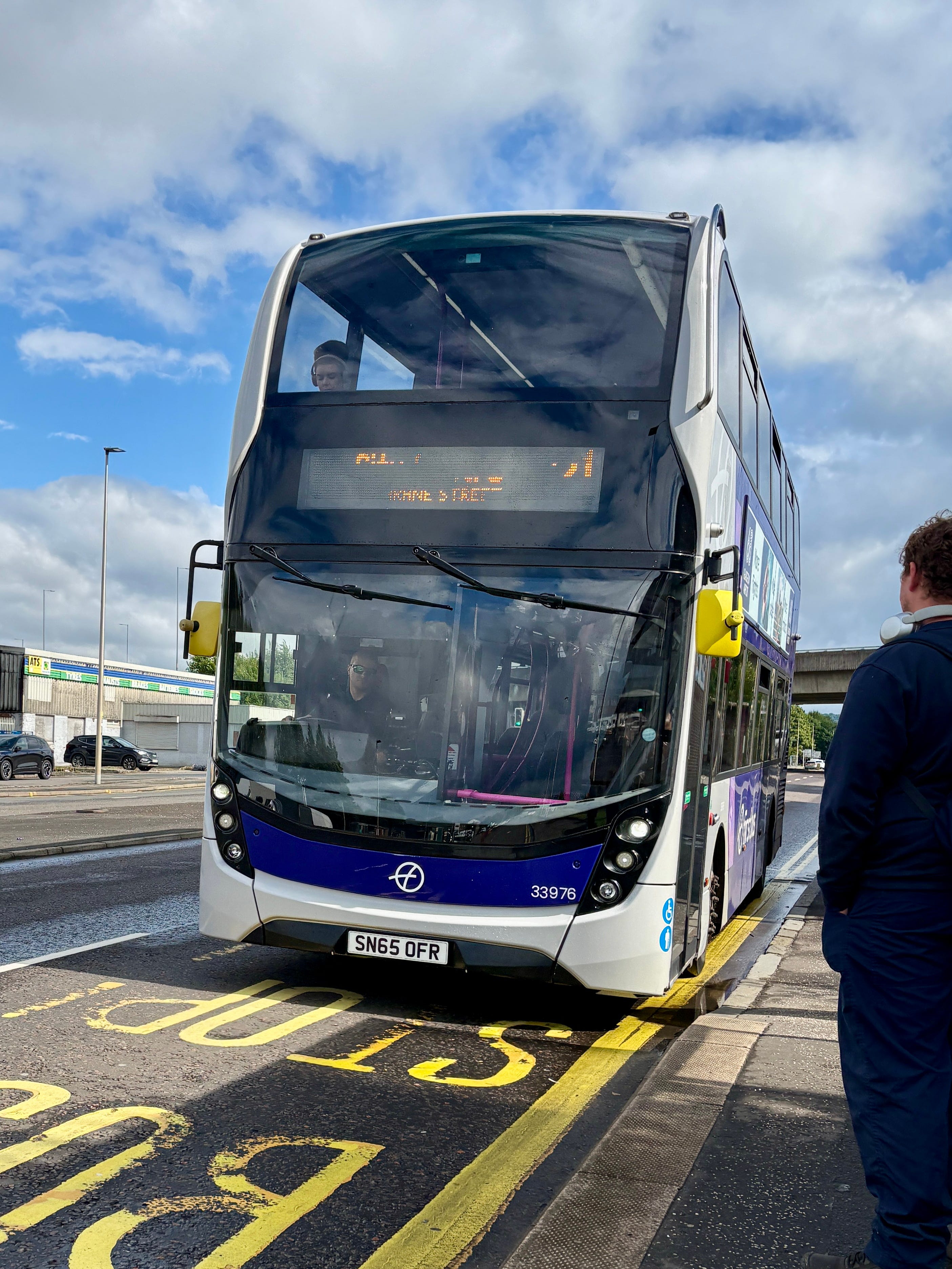
Unrelated but equally inconsistent was the fare I paid between Carlisle City Centre and the Premier Inn on Kingstown Road. On the day of our arrival, I was charged £3, but only £2.50 on our departure date. The former made the £5.20 Dayrider the obvious choice when multiple journeys would be undertaken; the latter less so unless a minimum of 3 bus rides were to be had.
4. The State of City Centres
Although decidedly not a city, the kids and I arrived in Blackpool on a Sunday evening in April. In scenes reminiscent of The Walking Dead, it proved quite an introduction for them to a deserted seaside town centre populated almost exclusively by drunken and drug-addled degenerates, many seemingly intent on picking fights with their own shadows.
Carlisle’s city centre echoes some of that decline, although the problem is rather different. Here it isn’t toothless forty-somethings with LOVE and HATE tattooed across their knuckles. Instead, it’s packs of fifteen-year-old locals roaming the streets, shouting at one another for no apparent reason other than to advertise their own existence. Perhaps every generation says the same thing, but gone are the days when putting on your best clothes and meeting your mates outside McDonald’s on a Saturday lunchtime felt like a rite of passage. Today’s equivalent appears to involve wandering aimlessly around the city centre seeing who can make the most noise.
I’m afraid free bus travel for children is helping to facilitate this. Carlisle has a couple of town centre stops in addition to its bus station and, to reach Kingstown Road, we could either board the frequent Service 62 or the less frequent Service 79. The former doesn’t serve the bus station, so we joined it at West Tower Street, where many of the cross-city services stop.
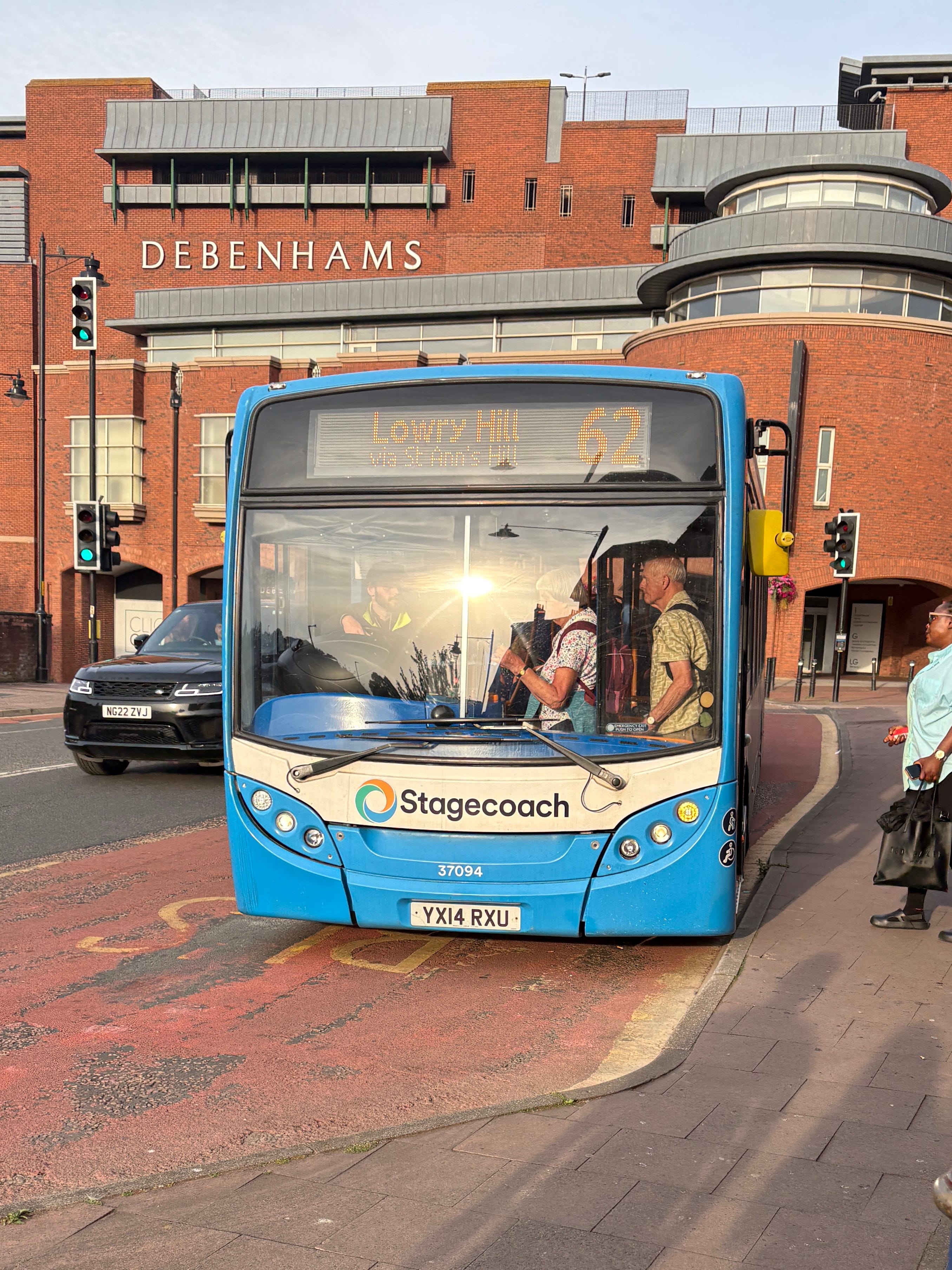
What we witnessed was quite revealing. Bus after bus arrived carrying groups of teenagers travelling free of charge into the city centre, where they were effectively deposited to spend the evening causing mayhem. By around 7pm the process was well under way. To be honest, I was more surprised that a city like Carlisle had succumbed to the same problems increasingly evident elsewhere than I was by the youngsters themselves. Britain’s city centres are becoming depressingly homogeneous. Travel four hundred miles in almost any direction and, increasingly, the same social problems greet you.
5. The ‘Haltwhistle Massiv’
Enjoyable though our outward journey had been, four hours aboard a Meridian with patchy mobile reception rather tested the children’s enthusiasm for rail travel. The return home was rather more direct, beginning with the 1333 Northern service from Carlisle to Newcastle before joining one of LNER’s direct services to Grantham, something made possible by the recast East Coast Main Line timetable introduced in December 2025. The new hourly departures have significantly improved journey opportunities for Grantham, running non-stop south from York. Reaching Scotland itself, however, is little quicker than before, with the revised timetable merely shifting the principal interchange from Newark Northgate to either York or Newcastle.
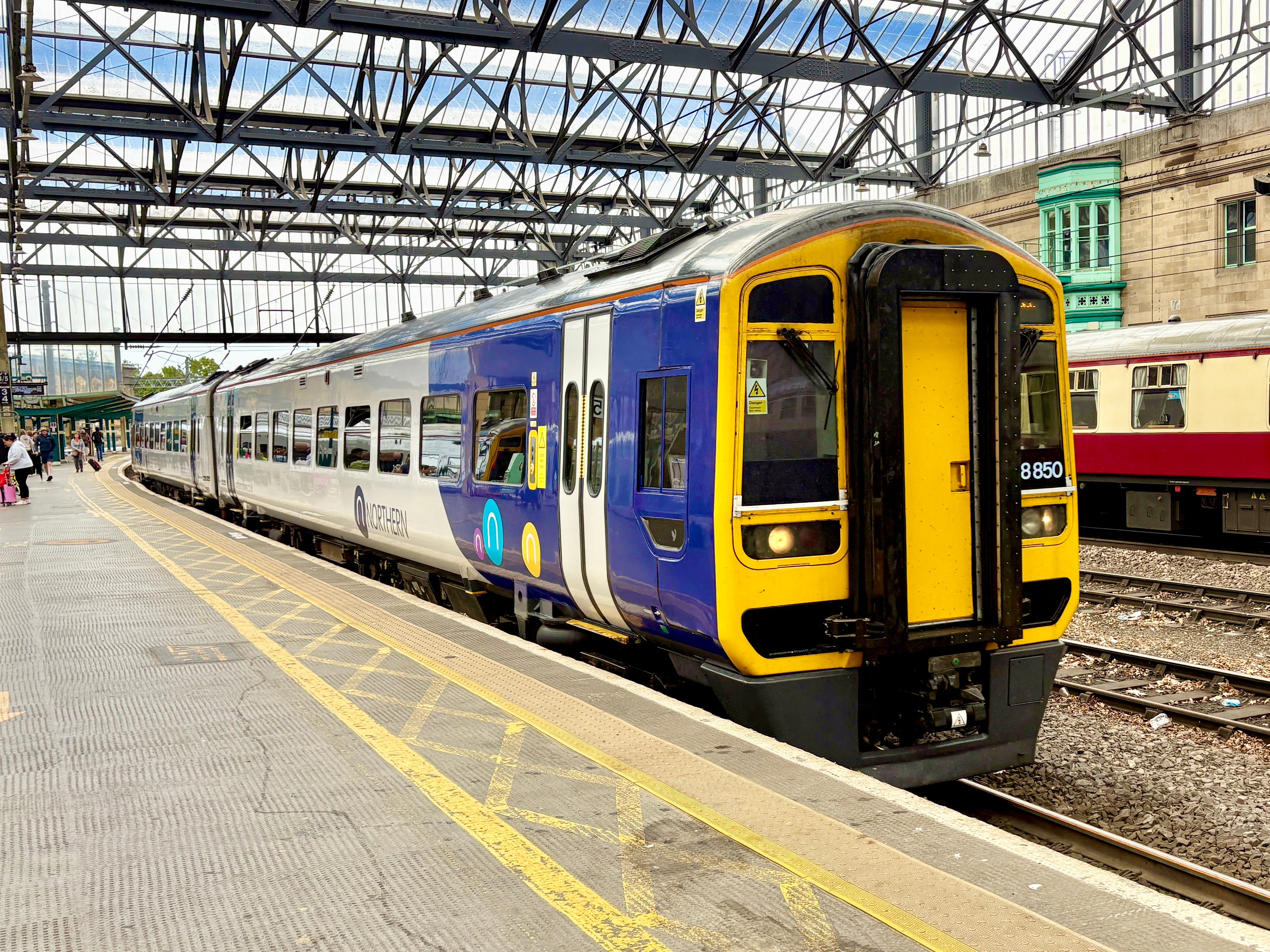
The Carlisle-Newcastle railway traverses countryside entirely unfamiliar to me. That said, I did visit the area while at junior school during a residential stay at Featherstone Castle. My children are now older than I was at the time, yet I remember remarkably little beyond one unfortunate classmate falling from a first-floor window into the courtyard below, prompting the hurried arrival of an ambulance.
The nearest settlement, Haltwhistle, is one of those delightfully unassuming places that reminds you Britain still possesses villages and small towns where life proceeds at a gentler pace. Built largely from warm Northumbrian stone and nestled in the South Tyne valley, it has an unmistakably traditional character, with independent shops, welcoming pubs and quiet streets that seem entirely unconcerned with the frantic pace of modern life. It’s the sort of place where its 3,600 or so residents still acknowledge one another in the street, where the surrounding countryside is never more than a few minutes’ walk away and where an hour spent doing very little at all somehow feels like time especially well spent.
It also features on the Carlisle to Newcastle line and was where two local girls boarded our train. Naturally, they chose the table opposite us before immediately arguing the toss with the conductor over whether they ought to pay at all. I thought their argument was gearing up to crescendo with the ‘fact’ that on board a bus, the equivalent journey would be free. Not so.
Our female guard wasn’t one for compromise and a stand-off duly developed. What struck me, however, was that despite all the bluster they still possessed what I’ll call the ‘Haltwhistle’ in them. Beneath the teenage bravado remained an underlying streak of decency that you simply don’t always encounter amongst the feral youths increasingly dominating some of our larger towns and cities. They weren’t abusive, threatening or looking for confrontation. They were simply trying their luck and, once they realised the game was up, they accepted the inevitable.
The conductor, entirely within her rights, charged them the full Standard fare. Personally, I might have met them halfway by charging the cheaper fare they claimed to have seen online. Sometimes a little discretion can achieve rather more than rigid adherence to the rule book.
As the conductor walked away, one turned to the other in genuine disbelief. “Trainline said it was only £4.55!” I very nearly leant across the table and asked the obvious question. “Well... why didn’t you buy it from Trainline then?” Some questions, I suppose, answer themselves.
6. The Stagecoach Versa
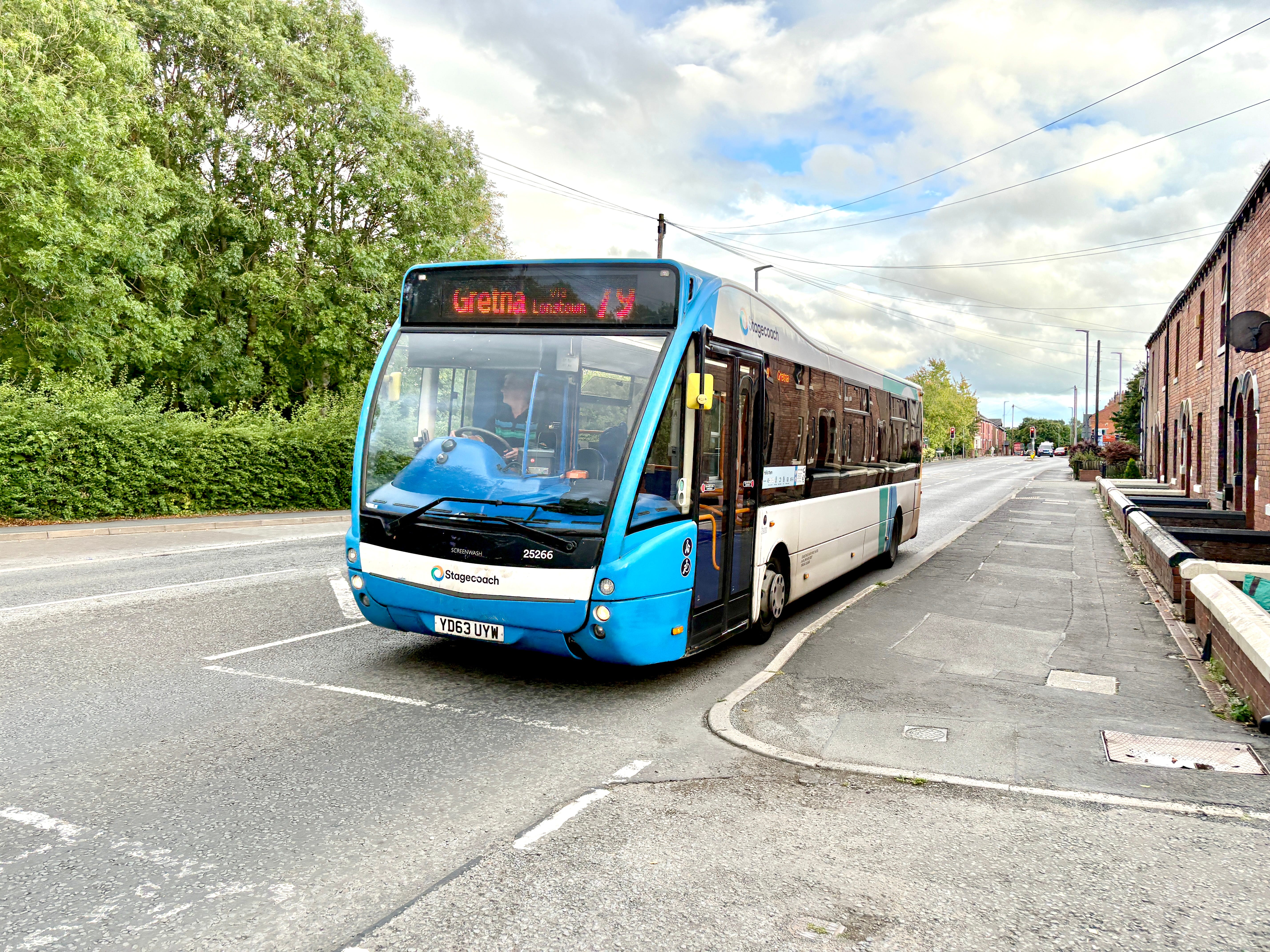
The ever-connected Steven Knight of SKM recently posted that Stagecoach Cumbria & Lancashire is the last outpost of a single decker type that never found favour with the Perth-based, former Scottish transport giant: the Optare Versa. Three remain, all based at Carlisle and so it was with some good fortune that we caught one on Service 79 bound for Gretna during the evening of 4 August. We’d returned from a day’s bouncing in Glasgow and walked to the city centre bus station to catch the 1920 departure, running directly to our hotel than the slightly more circuitous 62. The front body panels had seen better days and bore two different shades of the base blue, but the interior was very nice and the high back leather seats much more comfortable than a standard Scania saloon or Enviro300 that we’d previously seen on the 79.
Our bus in question was 25266 (YD63 UYW) was new in December 2013 to Stagecoach’s Fife Scottish subsidiary (‘Stagecoach East Scotland’) for use on a dedicated Jet-branded Service 747 linking Edinburgh Airport with Halbeath Park & Ride. The relatively unusual specification may have been following representations by the Airport itself. The bus has since been cascaded to south of the border, where it and two others now reside in Carlisle. There withdrawal is imminent.
Buy the latest edition of the LEYTR for just £3 post-free at www.LEYTR.com.
The Lincolnshire & East Yorkshire Transport Review (established 1963) is one of the longest-running publications of its kind in the country. Published every other month, each full-colour, glossy edition offers a detailed overview of the local transport scene, combining the latest news with informed opinion.
We provide in-depth analysis of changes to local bus and rail services, a comprehensive fleet section reporting acquisitions and disposals by all local bus, coach and rail operators, and a range of historical and contemporary articles exploring the rich tapestry of transport across our region.
An annual subscription costs just £15. We also offer a ‘try before you buy’ option—receive the latest edition by post to your home or office for just £3. There is a Rest of the Year option, charged pro rata.
For more information, visit: www.LEYTR.com