Frozen Head at Ribblehead
My frozen trip across Batty Moss

There’s a line in the original Die Hard movie, in which the greatest action movie hero of all time, John McClane (Bruce Willis), is crawling through the ventilation system of Nakatomi Plaza in LA to escape German terrorists, the main antagonist played by Alan Rickman. Exasperated by the position in which he finds himself, he sarcastically regurgitates the reasons his estranged wife Holly used to coax him to attend: “Come to the coast and we’ll get together, have a few laughs…”
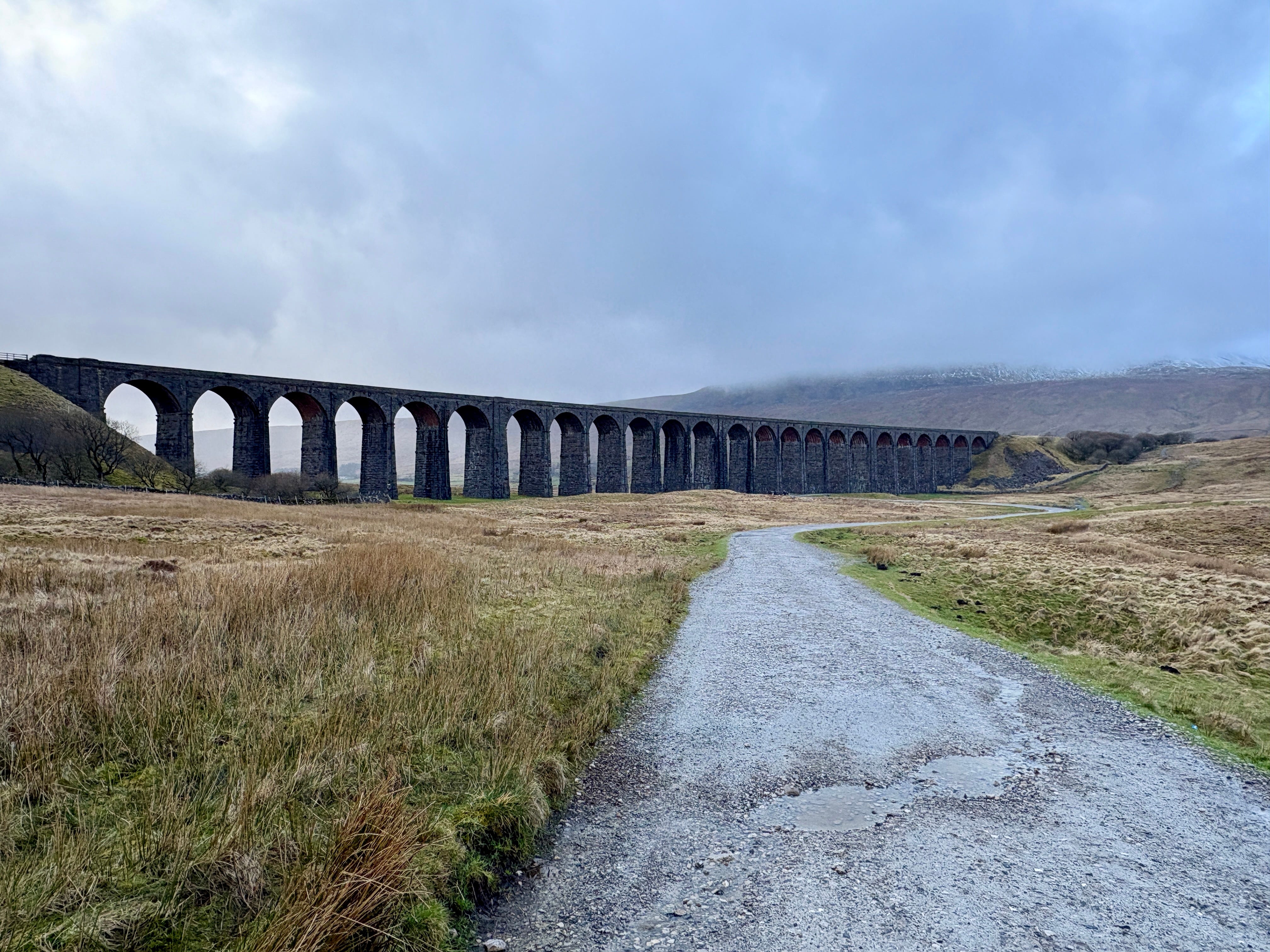
I found myself in a similar situation in North Yorkshire recently. There were no German terrorists, no Bruce Willis or the late Alan Rickman, but there was a biting north-westerly wind providing a -4°C wind chill as me and the kids disembarked a very warm train and attempted to reach the UK’s longest and almost certainly most spectacular viaduct at Ribblehead in North Yorkshire.
The journey had already been scuppered the day before, when a landslide near Wakefield Westgate meant all services were suspended between Doncaster and Leeds. Frustratingly, me and the Tin Lids were stood on Platform 2 at Grantham station awaiting the 1040 to Leeds. Unhelpfully, there is no platform information screen so far along the platform, where all LNER trains now stop regardless of length to offer some consistency in where best to stand for specific coaches. Had we seen the screens, we would have spotted that the train would now omit Doncaster, due to capacity constraints, and instead run to York.
We had planned on visiting my brother and his family in Garforth. There was a family birthday and this weekend was non-negotiable. However, there was no service on the Leeds–York line and replacement buses were the order of the day. I can just about tolerate a replacement bus for the equivalent of a 10-minute train journey but not from York. Instead, and since the temperature was Baltic at best, we abandoned the train and headed back to the car for the 71-mile trip to the expanding commuter town in West Yorkshire.
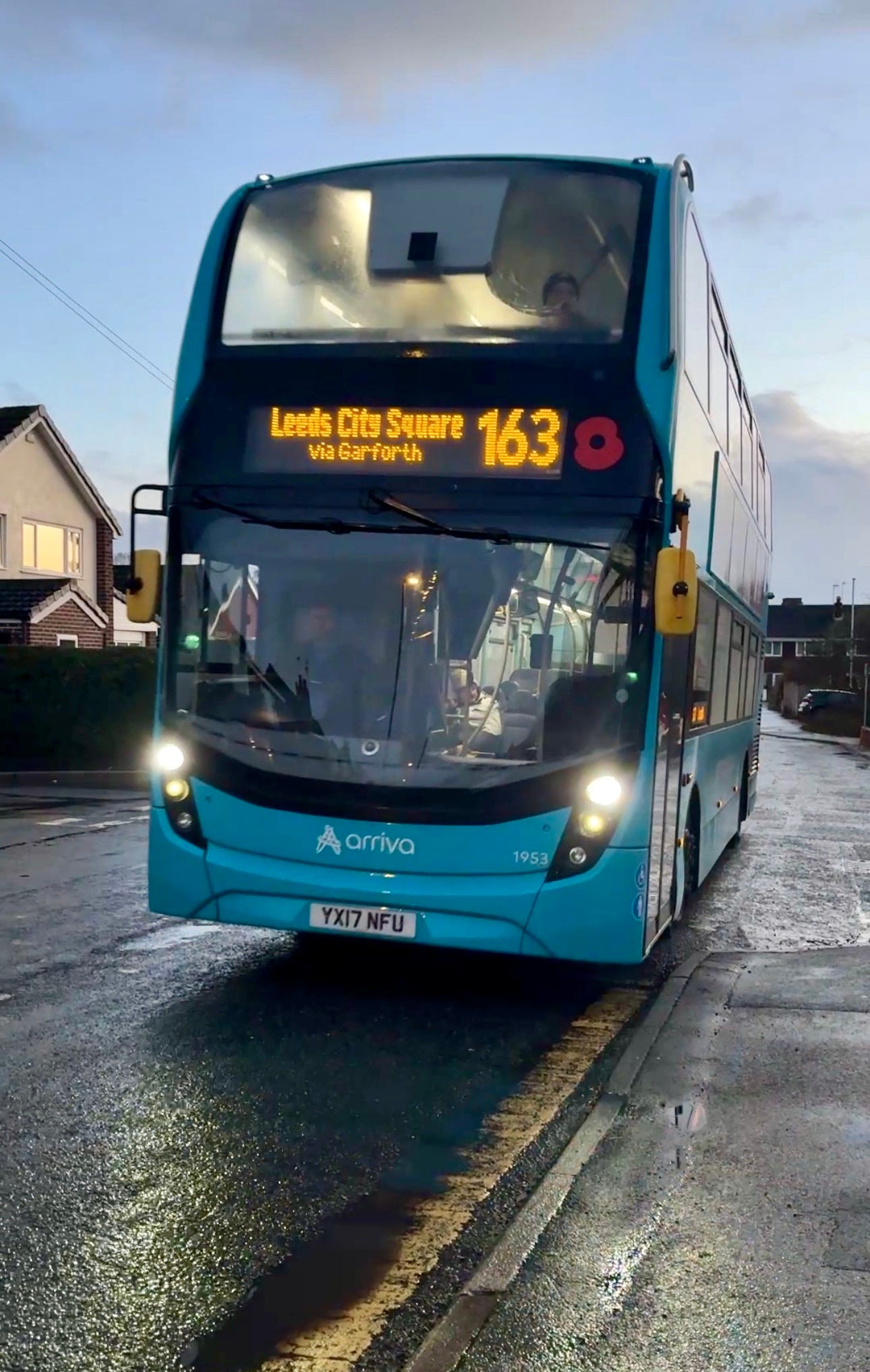
The car being in Garforth somewhat scuppered the return leg the following day. We left it at my brother’s and caught an evening Arriva 163 into Leeds. I had train tickets but, not knowing if or when or specifically where the replacement bus would be or run in relation to the station, I took the executive decision to ‘service bus’ it into Leeds. The 163 was formerly part of Arriva’s ‘Sapphire’ brand, since dropped. On Sundays buses run half-hourly from Castleford to Leeds via Garforth. The fare was £2.70 for me and £1.60 each for the kids. For over a year now it costs £3 to travel four bus stops in Grimsby, once home to some of the cheapest bus fares in the UK.
We had a Premier Inn booked in the city centre and the following morning headed out for an early afternoon train to Ribblehead. I had elected a later start as I knew it would be freezing cold and 1500hrs seemed like the best time to avoid the rain.
Monday 16 February 2026
From Leeds, there are eight trains a day along the Settle–Carlisle line. Generally, the route is the domain of the Class 158 ‘Express Sprinter’. The line, once slated for closure as recently as the early 1990s, has had a troubled past. While secured today, its origins were troubled too. Work had begun on the viaduct’s structure by July 1870 and on 12 October that year the contractor’s agent William Henry Ashwell laid the first stone. Financial difficulties soon overtook John Ashwell and on 26 October 1871 his contract was terminated by mutual agreement, after which the Midland Railway assumed responsibility for construction on a semi-contractual basis under the supervision of William Ashwell. The design was revised from 18 to 24 arches of 45 feet span in December 1872, the structure being largely complete by August 1874. A single line was then installed and on 6 September 1874 the first passenger train crossed the viaduct. Freight traffic commenced on 3 August 1875 and the full line opened to passengers on 1 May 1876 following inspection by Colonel F. H. Rich of the Board of Trade.
More troubling, though, was the loss of life involved with the viaduct’s building. At its height, the workforce numbered around 2,300 men, many living with their families in temporary settlements. Over a hundred deaths were recorded through accidents, violence and disease and around 200 burials noted in the records at nearby Chapel-le-Dale.
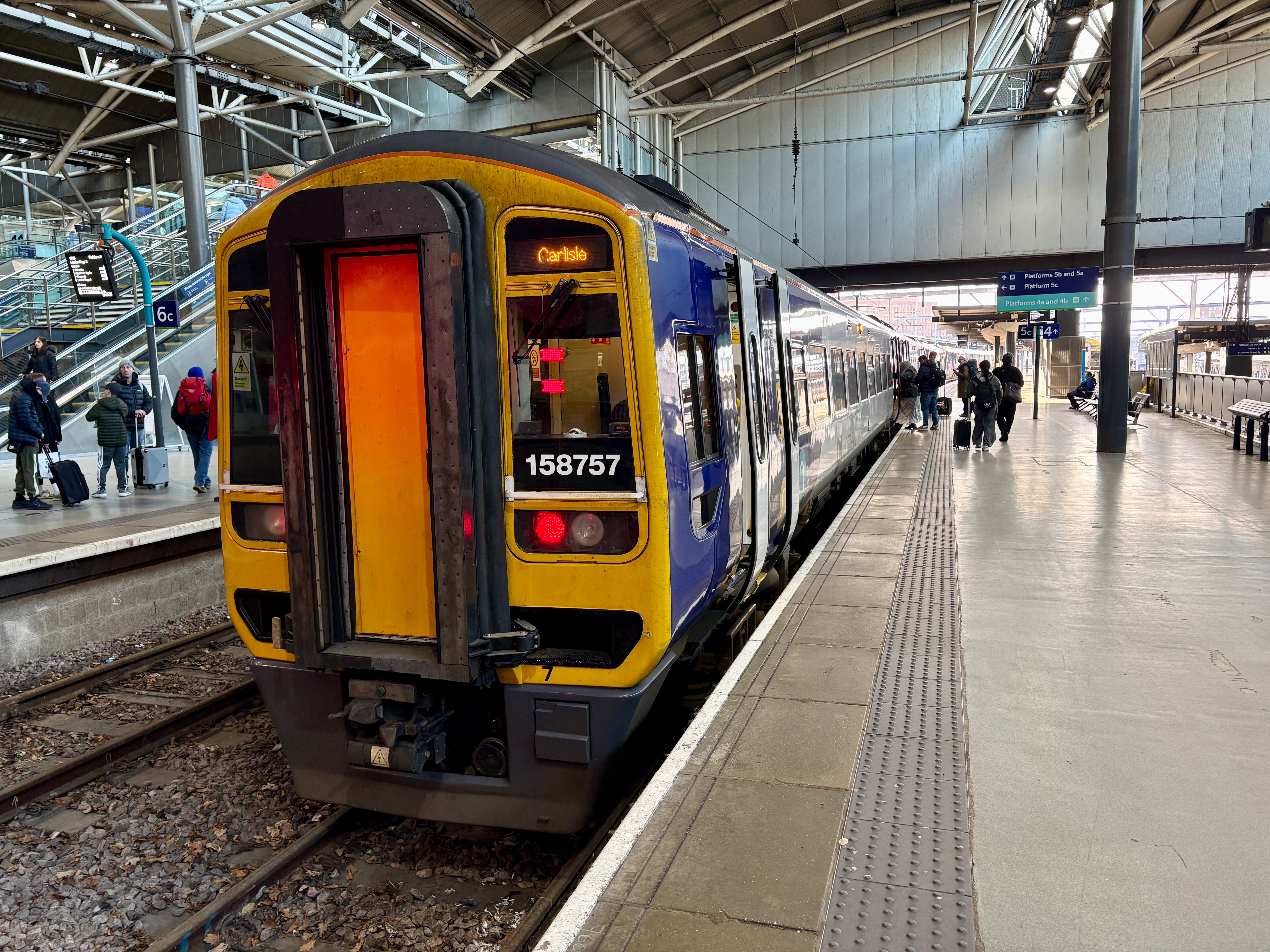
Our three-car ‘158’ absolutely flew out of Leeds. I have never felt anything like it. I sent a message to the ‘LEYTR Stig’, our anonymous railway insider, who said the line between Leeds and Shipley “affords a very spirited run”. The service level along this section is significant too. At least four trains per hour are operated in addition to the extras provided by the Settle–Carlisle trains. Most are provided by Class 331 and 333 electric trains, with the overhead wires extending to Keighley. Here our guard changed and we left on time, with passenger numbers reducing as the stations came. At Settle, most people had left. Thereafter I suspect there were fewer than twenty on board. Only one toilet was working on board the three-car train, which was something of an inconvenience as it was located on the front coach and we were sat in the rear one.
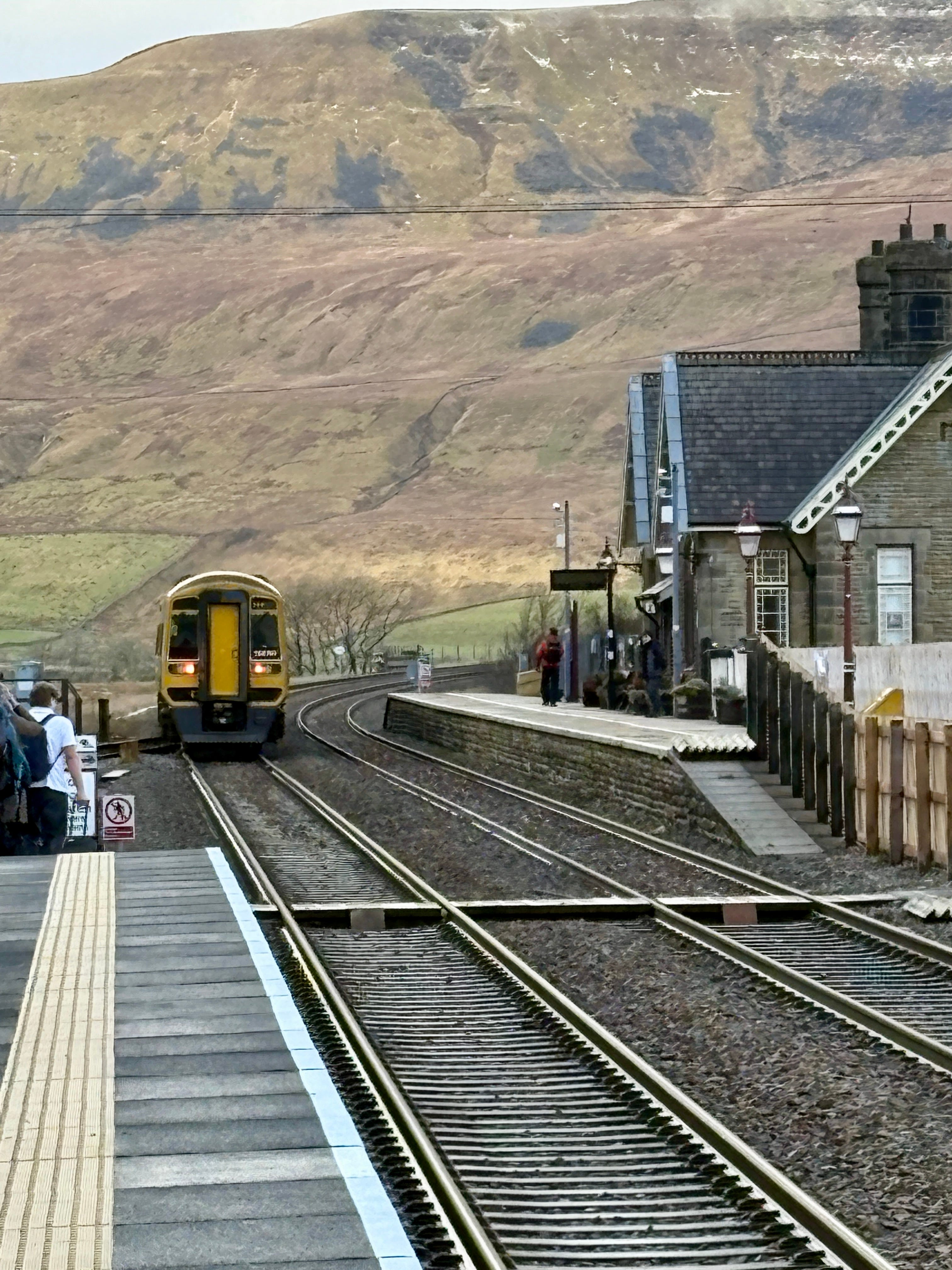
We arrived in Ribblehead on time at 1433 and watched the train leave. Then: nothing. Nothing except a howling wind blowing down the Ribble Valley. Crossing the line by the barrow crossing, we then passed the station building where limited space inside was afforded those awaiting a southbound train. A cafe-cum-tea room is located here, manned by the Friends of the Settle–Carlisle line, though only open in the summer months. The distance to the viaduct is around half a mile, and the structure is visible from the station. We walked down the station drive to the main road at the bottom, at the junction of which The Station Inn is located. More on that later. The track to the viaduct, which crosses Batty Moss, from which the viaduct takes its alternative name, is on the left after the cattle grid. Along we went, walking into the wind. At the highest point before the descent I braced the kids for “hoods down and smile!” They actually managed it before the cries of “my face still hurts!” resumed. Some decent photos were captured, at least.
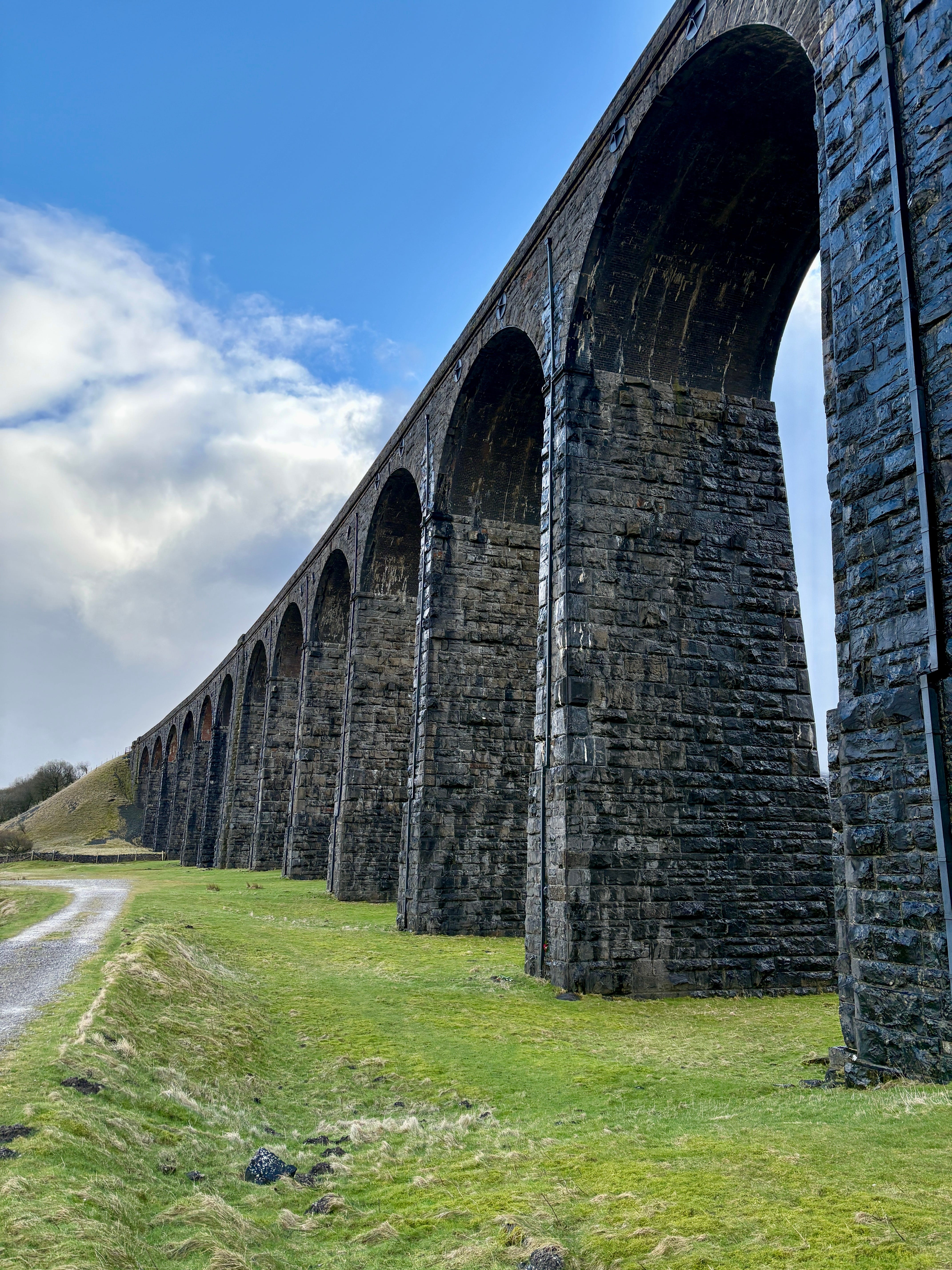
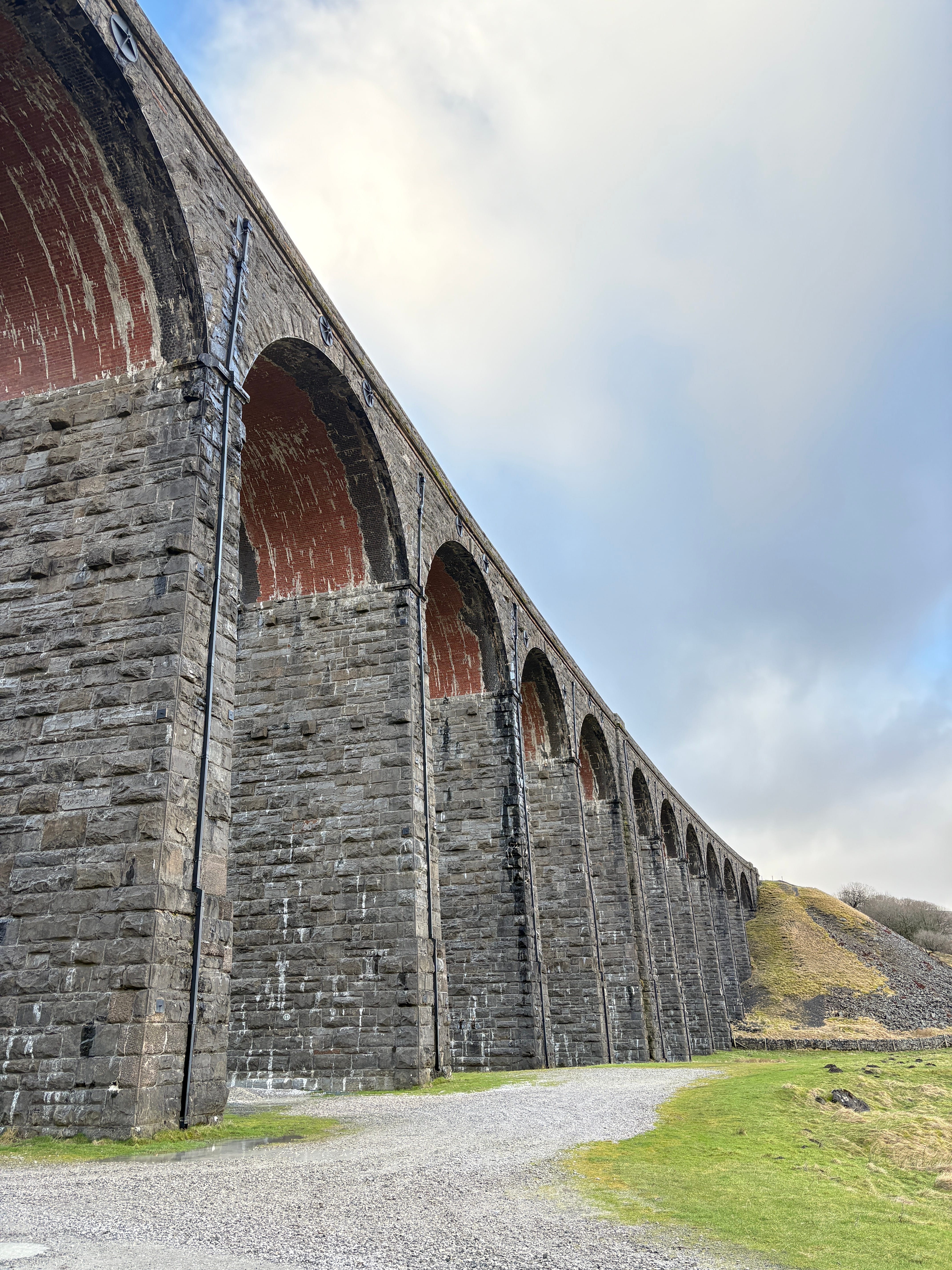
A few other hardy souls were out walking their dogs, but none were virtuous enough to be donning shorts. By the time we reached the foot of the viaduct we were in the lee of the wind and it was not too bad at all. A few photos and videos were captured, since I had never visited the viaduct before. I had travelled across it twice in adulthood and once with my parents as a child, when we boarded a loco-hauled train somewhere like Settle for a day trip to Carlisle in the very early 1990s. I do remember that we were staying in a cottage in Kettlewell.
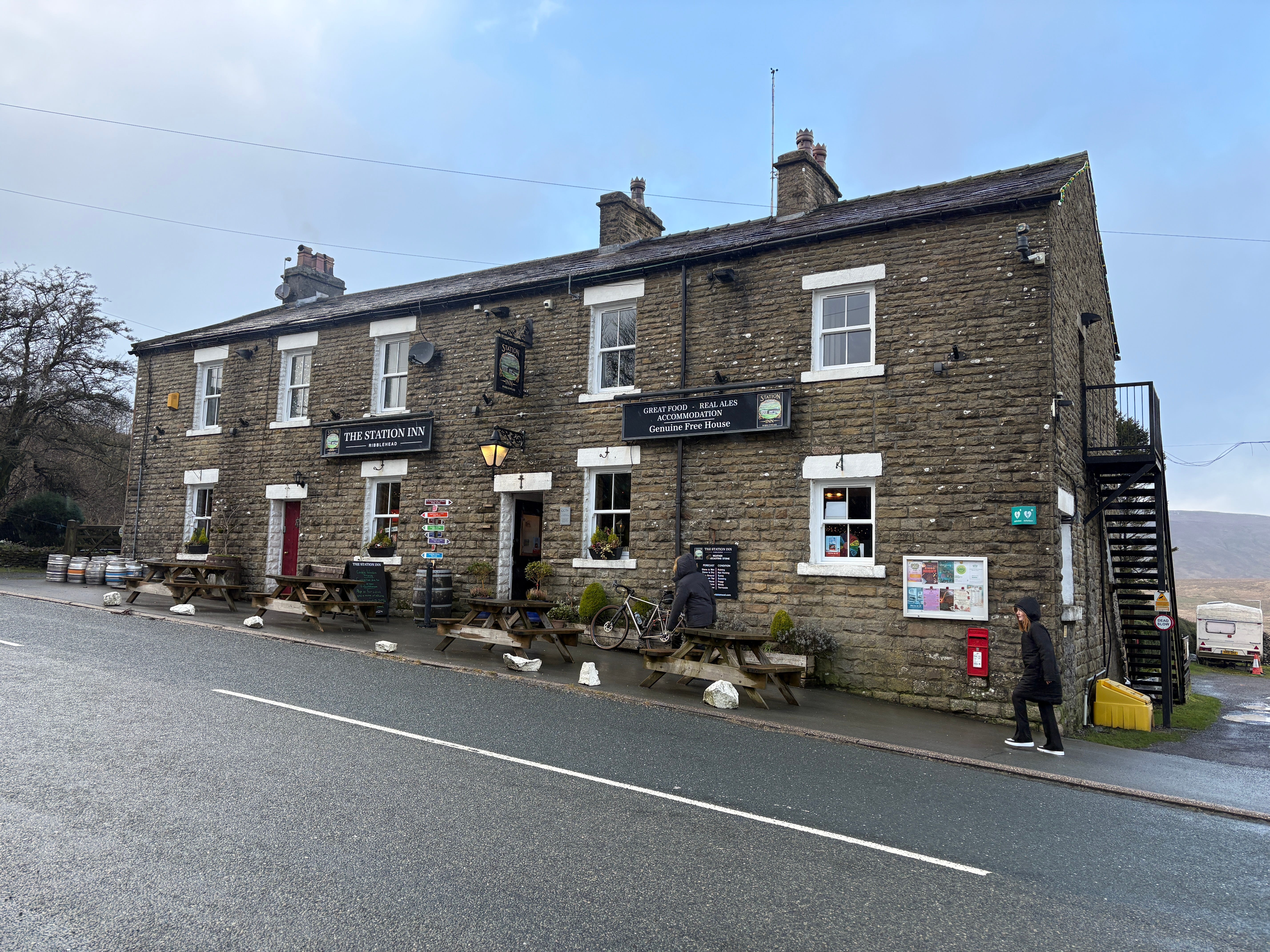
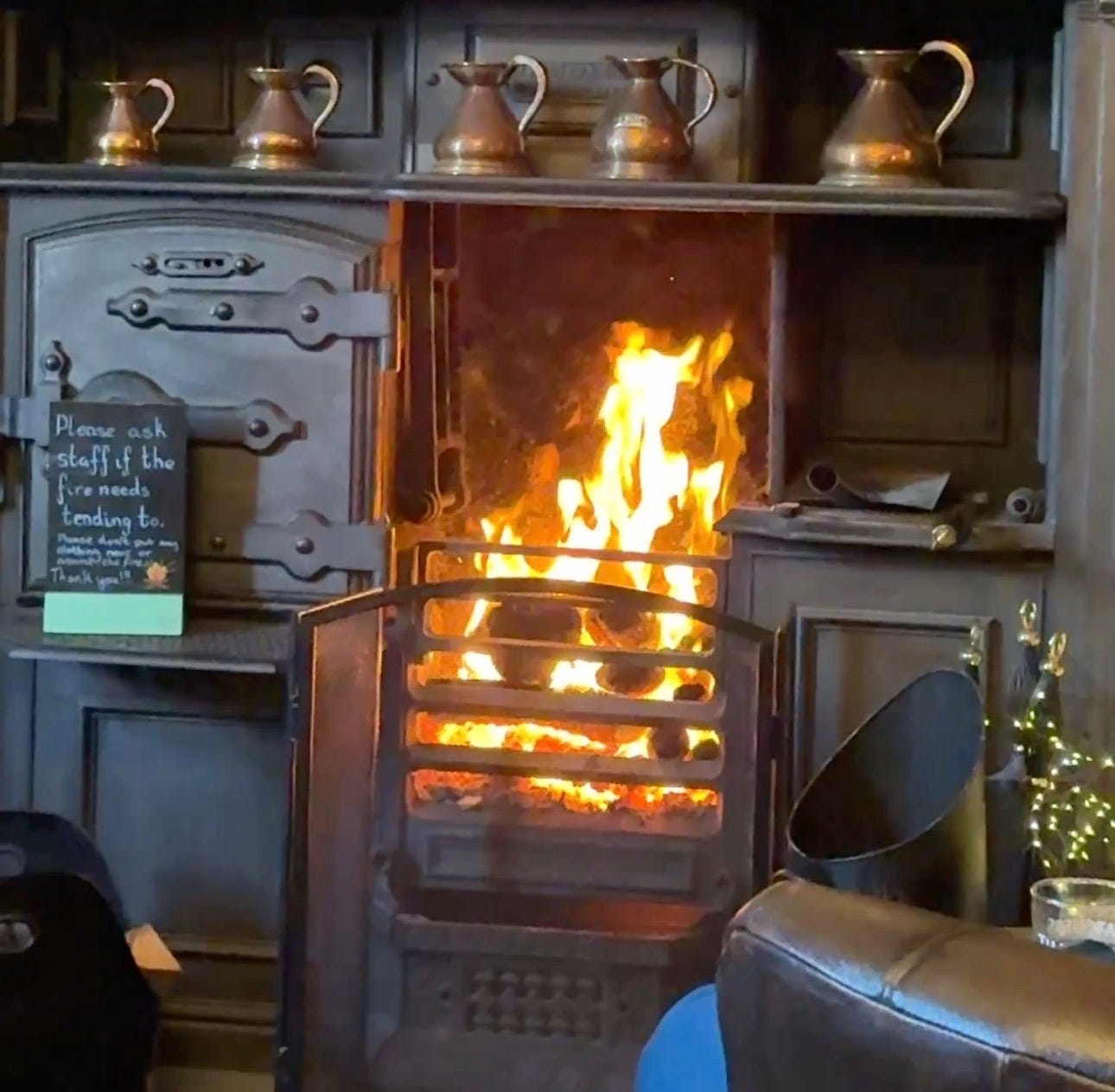
My plan for the early afternoon train from Leeds was holding up as there was precious little rain. As we walked back to the main road and the pub, I could feel the rain begin and we headed into The Station Inn and sat near its roaring fire. I very much enjoyed my coffee and the kids very much enjoyed the pub’s free wifi. We sat here for almost an hour before heading back to Ribblehead station for the 1615 train back to Leeds.
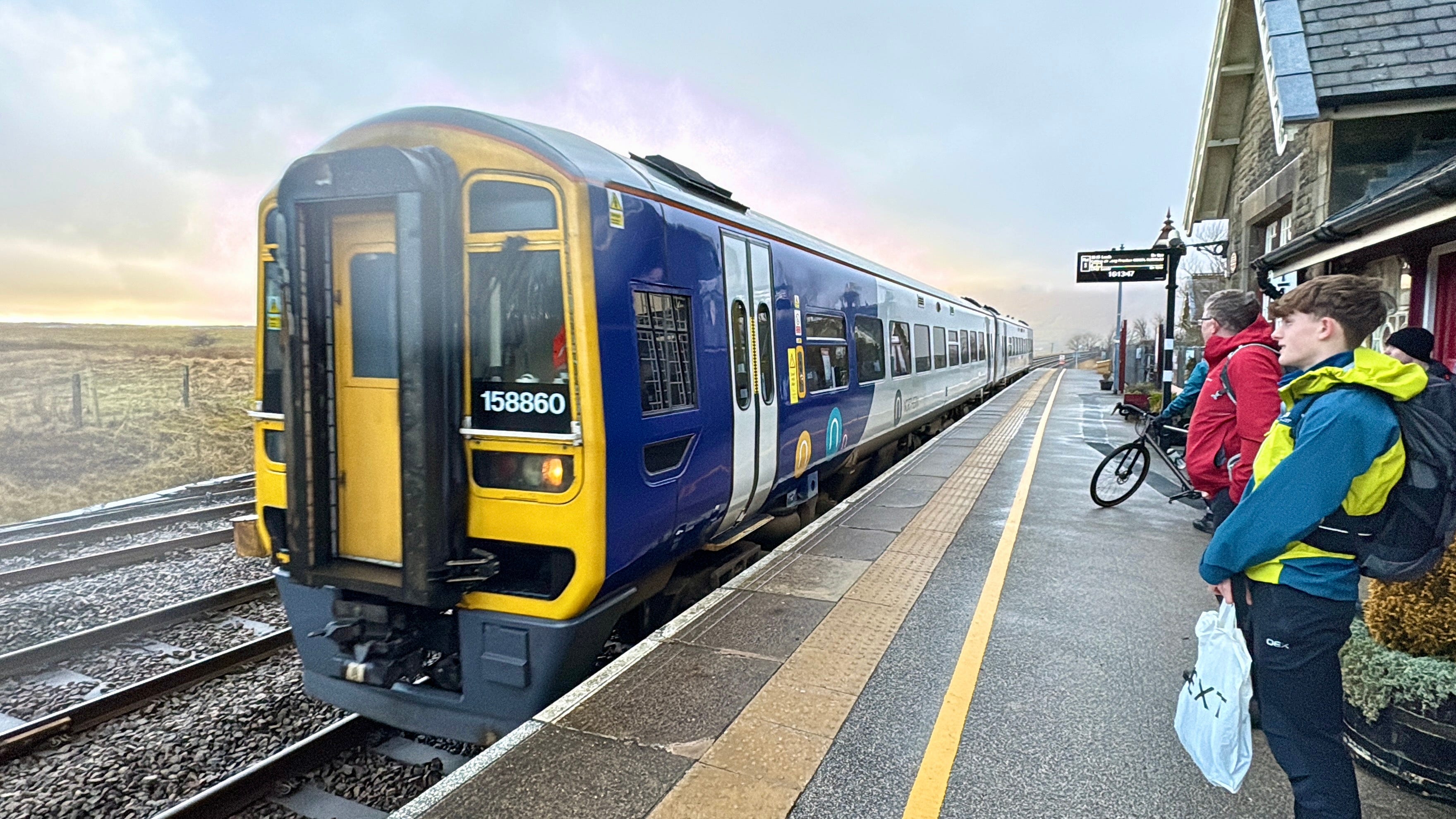
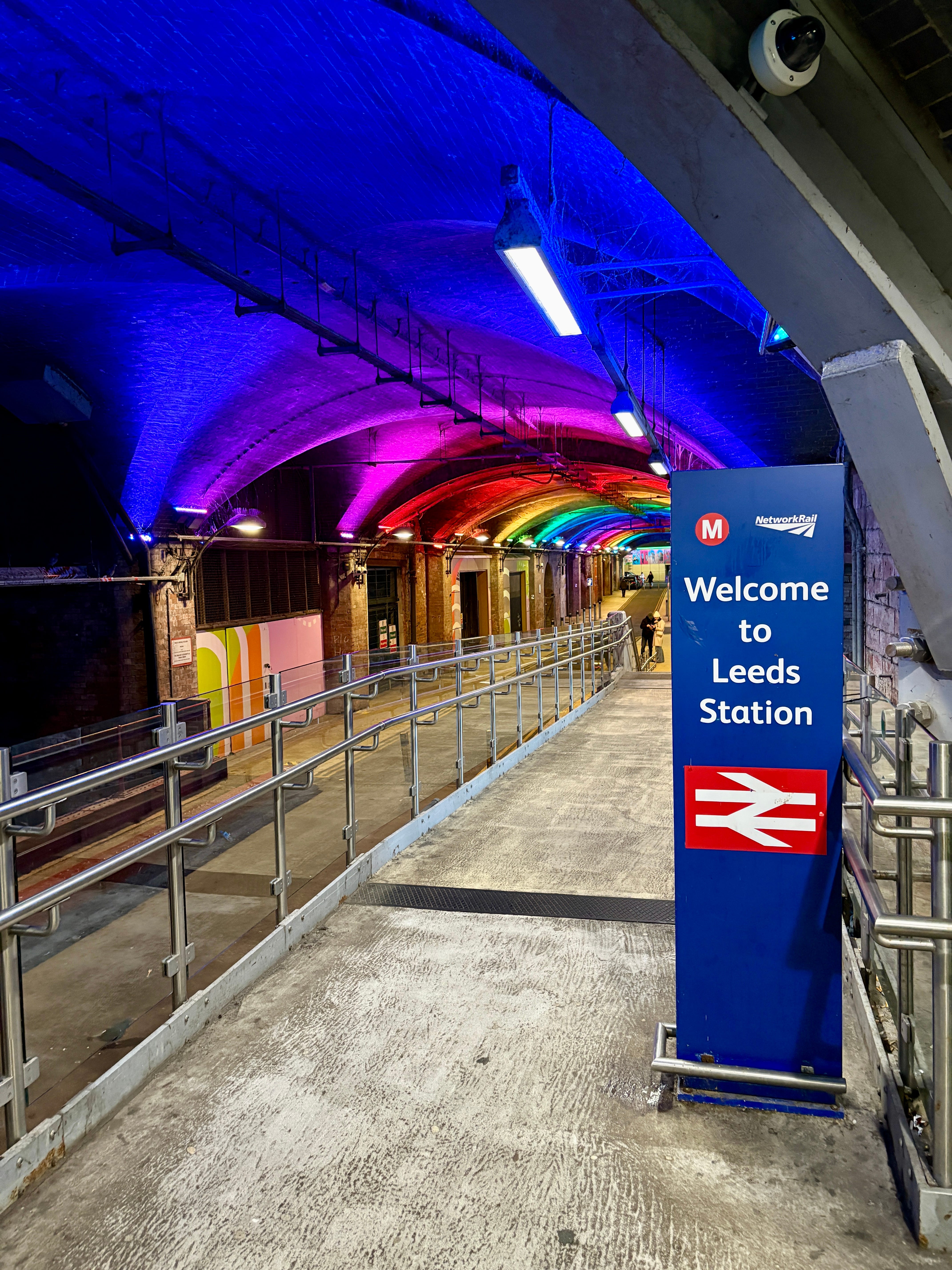
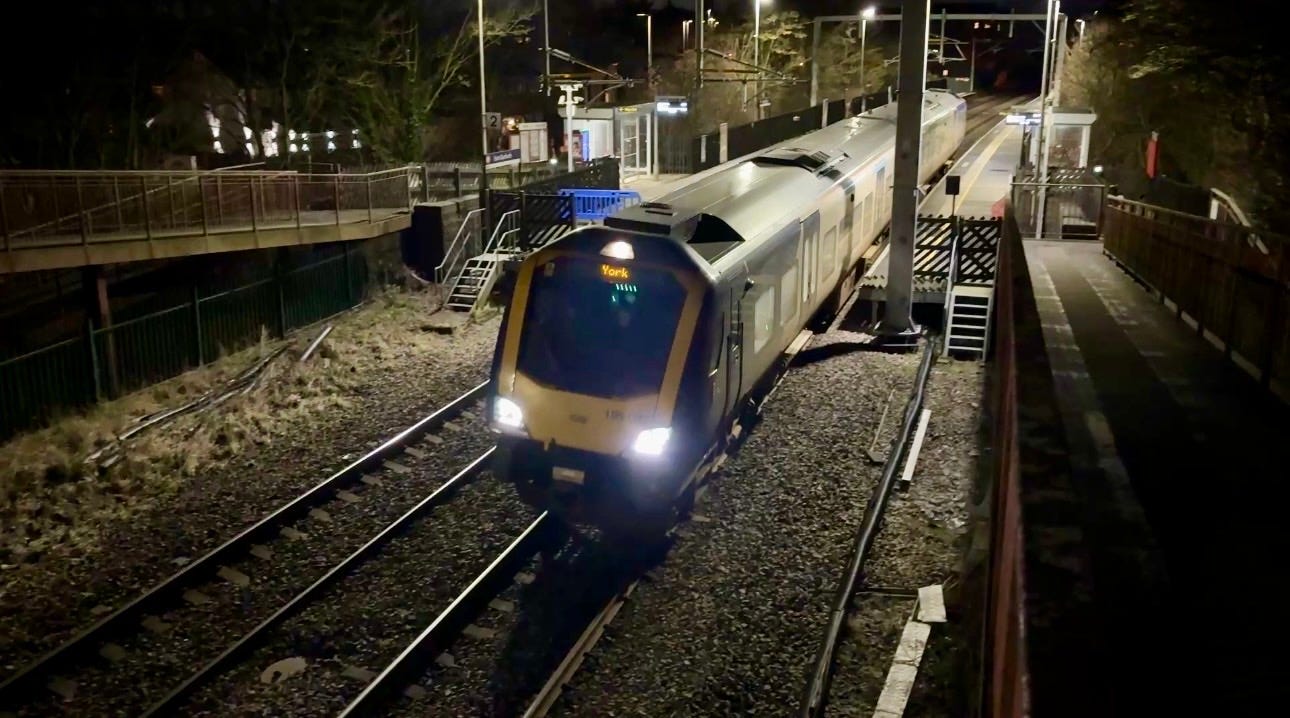
This arrived as just two cars, but utilising my Secret Strategy, sending the kids off into the train to secure decent seats, we were sat around a table in the front coach. The remainder of the journey was identical to the outward trip but in reverse, with passenger numbers increasing from Settle onwards and the guard changing at Keighley. The train was particularly busy as we arrived in Leeds at 1736. I had the foresight to ask the guard for single tickets to Garforth from Leeds, so we headed to Platform 7, not the most logically located platform at Leeds station when Platforms 6 and 8 are clearly signposted and 7 sits behind, and after purchasing snacks for the car drive home we boarded the 1817 York service, formed of a 2-car Class 195, which left three minutes late and deposited us at East Garforth, slightly nearer my brother’s house, at 1834.
The Lincolnshire & East Yorkshire Transport Review is the the region’s oldest transport publication. Fancy having a browse of the latest edition? Buy it for just £3 post-free by clicking here.
Subscribe for a full year’s worth of LEYTR for just £15 and received insightful, in-depth local transport news and views, along with the latest fleet and service alterations in a handy full-colour magazine posted direct to your door by clicking here.