Two Differing Rail Experiences
Trips with EMR & Greater Anglia and LNER, Thameslink & TfL

Grantham to Great Yarmouth
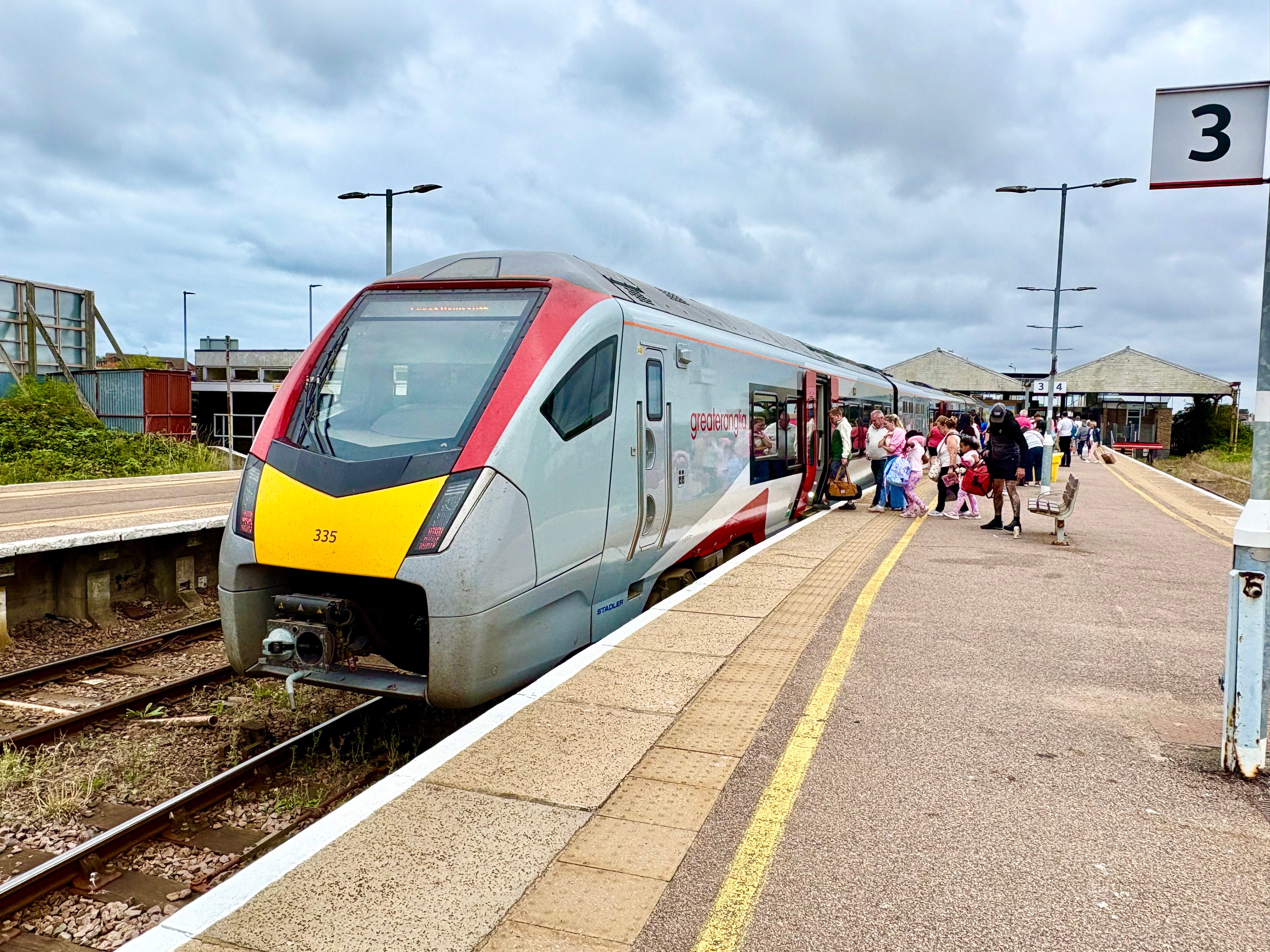
A few weeks ago my children and I headed to the seaside for a couple of days away. We left the leafy lanes of rural Lincolnshire bound for Grantham railway station. From there we took a train to Norwich, then another to Great Yarmouth. The journey was straightforward and took just 2 hours 59 minutes.
Being a Sunday lunchtime, the East Midlands Railway service to Norwich runs at non‑standard departure times. Our three‑car Class 170 arrived early and stood briefly before its 1218 departure. Having started at Sheffield, I was uncertain how full the train would be. I hoped for a spacious journey, as this journey is booked a 2-car Class 158.
We stood on Platform 4 when 35 scouts crossed the footbridge, all bound for a week at the Norfolk coast. I had intended to board coach 1, furthest from the entry point at the previous station, Nottingham, but when I saw many people were already clustered around the middle coach waiting to leave the train here, I switched to coach 2. I let the children go first—they’re good at finding table seats or adjacent double seats. They weren’t as successful as on previous occasions but did secure two double seats next to each other.
We had a four‑minute stop at Peterborough and ten minutes at Ely, before calling at Thetford and arriving punctually at Norwich. Though this leg took over ten minutes longer than scheduled, it helped ensure onward punctuality. I’d seen local news reporting that the local MP had criticised EMR for slow cross‑country travel times, so perhaps this cautious schedule isn’t something to be welcomed by everyone!
At Norwich we had time to pass what’s been dubbed the “slowest Subway in Britain” and fetch refreshments from the nearby Co‑op. Our tickets wouldn’t open the barriers, but Greater Anglia staff were friendly and let us through. Back on the platform we waited for the 1437 arrival from Lowestoft, which would form the 1445 to Great Yarmouth. Another train was still at the buffer stops, so ours was “called on” to the platform. The children again claimed a table seat and off we went.
Greater Anglia conductors no longer operate the train doors under normal circumstances—a result of industrial disputes dating from when Abellio took on the franchise in October 2016. The new trains were part of Abellio’s bid, yet there was no franchise requirement to downgrade or change the guards’ role. The result is that every service that previously required a guard still does, but drivers now handle the platform–train interface.
In rural Lincolnshire on an August Sunday, heading to Skegness can feel desperate—overcrowded trains and plentiful delays. The Norfolk equivalent, however, was calm and almost sedate. The Class 755 unit—with a “power‑pack” central car rather than an engine beneath your feet—made for a quieter, more pleasant ride. The kids called it the “engine coach”, but it’s properly known as the power-pack. We reached a grey Great Yarmouth exactly on time.
Our return two days later was equally punctual. We caught the 1617 to Norwich. The route has an hourly service plus occasional extras; there had been a 1545 departure, so I chose the 1617 hoping it would ease crowding.
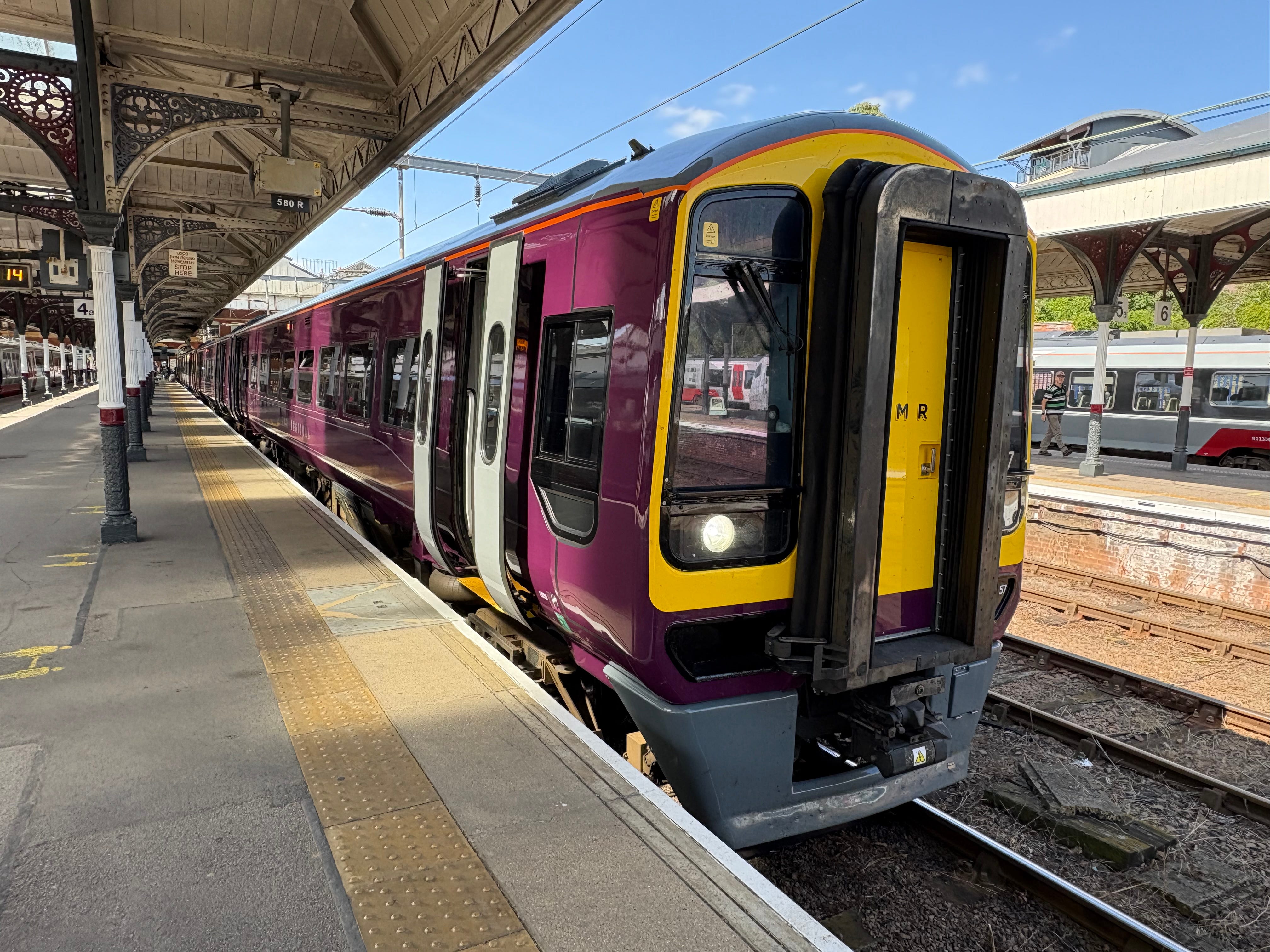
We could have caught the 1656 EMR service to Manchester Piccadilly, but chose to catch the next one. That gave us time to use the shop and enjoy a stroll into the city centre. The subsequent departure leaves Norwich at 1750, runs through peak-time stops including Wymondham, Attleborough and March and eventually gets to Sheffield. We arrived in Grantham at exactly 1955.
Grantham to London
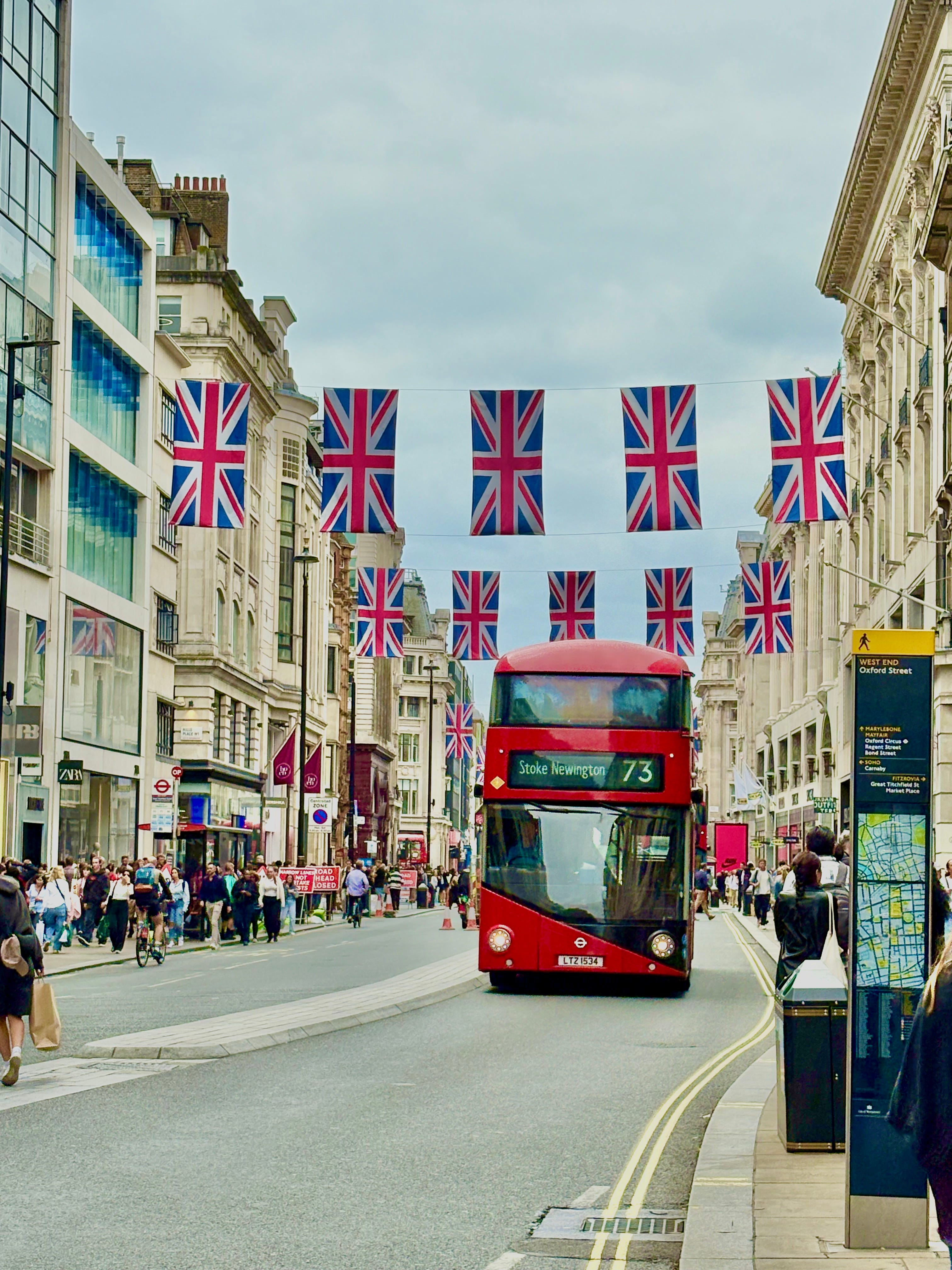
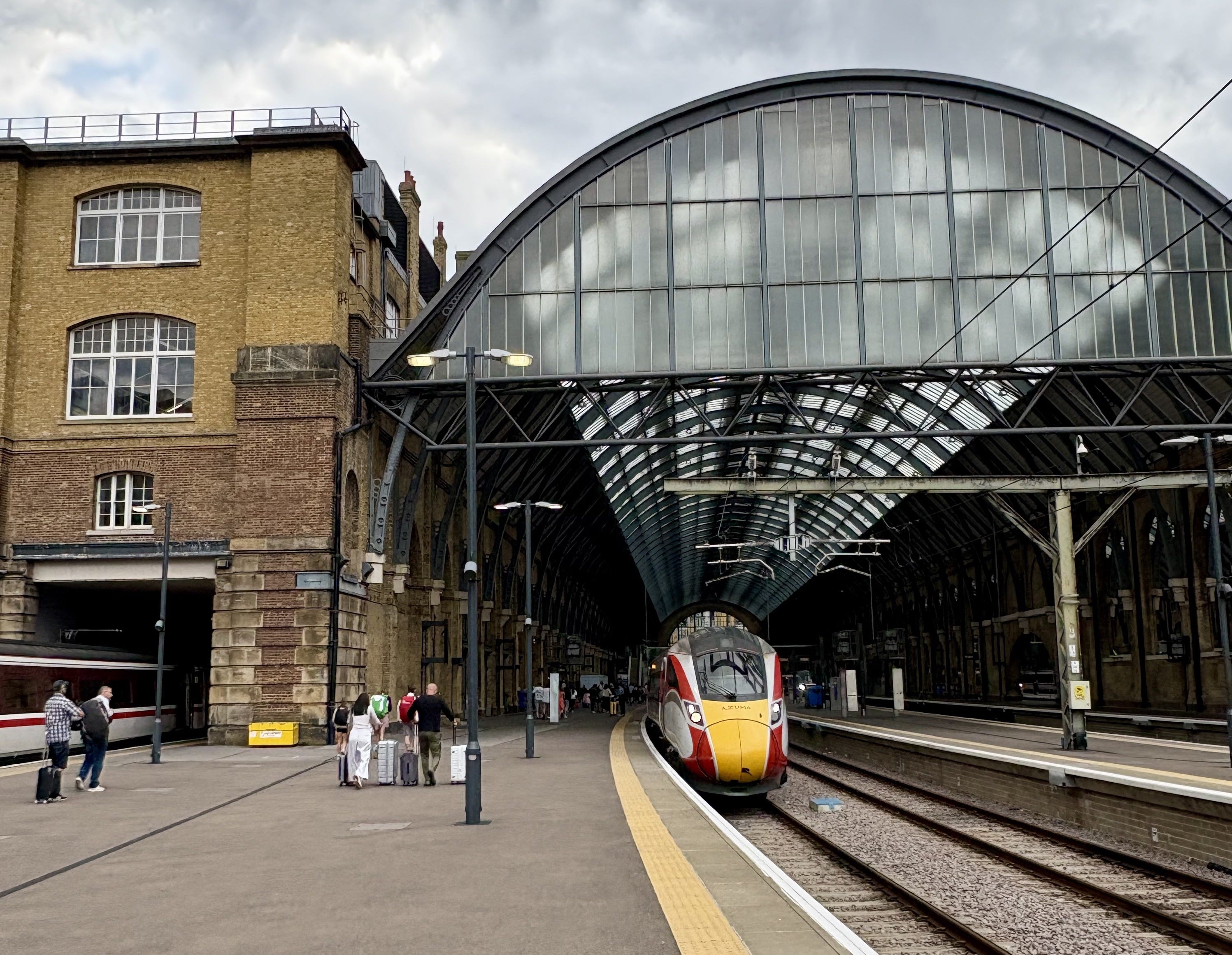
The following day we travelled from Grantham to London. That morning LNER texted to say our booked train from Lincoln had been cancelled. They offered alternative trains within two hours either side of its scheduled time. Because of the East Coast Main Line timetable, Grantham has two LNER departures to London within 15 minutes of one another, then none for 45 minutes. I opted for the 1418 train instead, which made an additional stop at Newark Northgate for passengers affected by the cancellation.
Though we left nine minutes late at 1427, the journey south was quick. It’s always enjoyable to fly through Peterborough “doing a ton”. We recovered much of the lost time before London.
At King’s Cross I strategically bought a coffee from Hermanos under the main trainshed. Then we walked across to St Pancras International and boarded Thameslink to Greenwich, where we stayed at a Premier Inn. My son is now 11 and no longer travels free on TfL services. Thameslink isn’t part of TfL, so his journey wasn’t covered. Using the ticket vending machine to buy child tickets was not straightforward, even with several staff around. I asked for help.
The exchange went:
Me: “Could you show me how to buy child tickets please?”
[silence; he walked over]
[still silence; he gestured at the screen]
Me: “Is something wrong?”
Staff: “Put in what you want.”
Me: “Yes, from London to Greenwich.”
Staff: “And?”
Me: “What do you mean ‘And’?”
Staff: “And what do you do next?”
Me: “That’s why you’re here.”
Staff: “Go to Pay.”
Me: “I don’t want adult tickets. Just two child tickets.”
Staff: “Go. To. Pay!”
What should have happened is he’d have said: “You enter your journey as normal, then at payment screen change adult fares to child fares.” Not rocket science. It was a square-peg-in-a-round-hole performance. That’s “typically London” at its most exasperating, a world away from the rail staff I’d dealt with earlier.
On a more positive note, TfL’s customer service impressed. I had been accidentally charged maximum fares because I tapped in with a credit card and tapped out using Apple Pay (effectively two different cards). Their customer services responded within five hours and refunded me by the end of the day. That rapid, efficient resolution is a rarity nowadays.
If you travel with children aged 11-16 who don’t live in London, the Young Visitor Discount is invaluable. Buy an Oyster card at a central Tube station and ask a staff member to apply the 50 percent discount. It’s done instantly and lasts 14 days. When you leave, return the Oyster card and you’ll get back the £7 deposit plus any unused credit—immediately.